

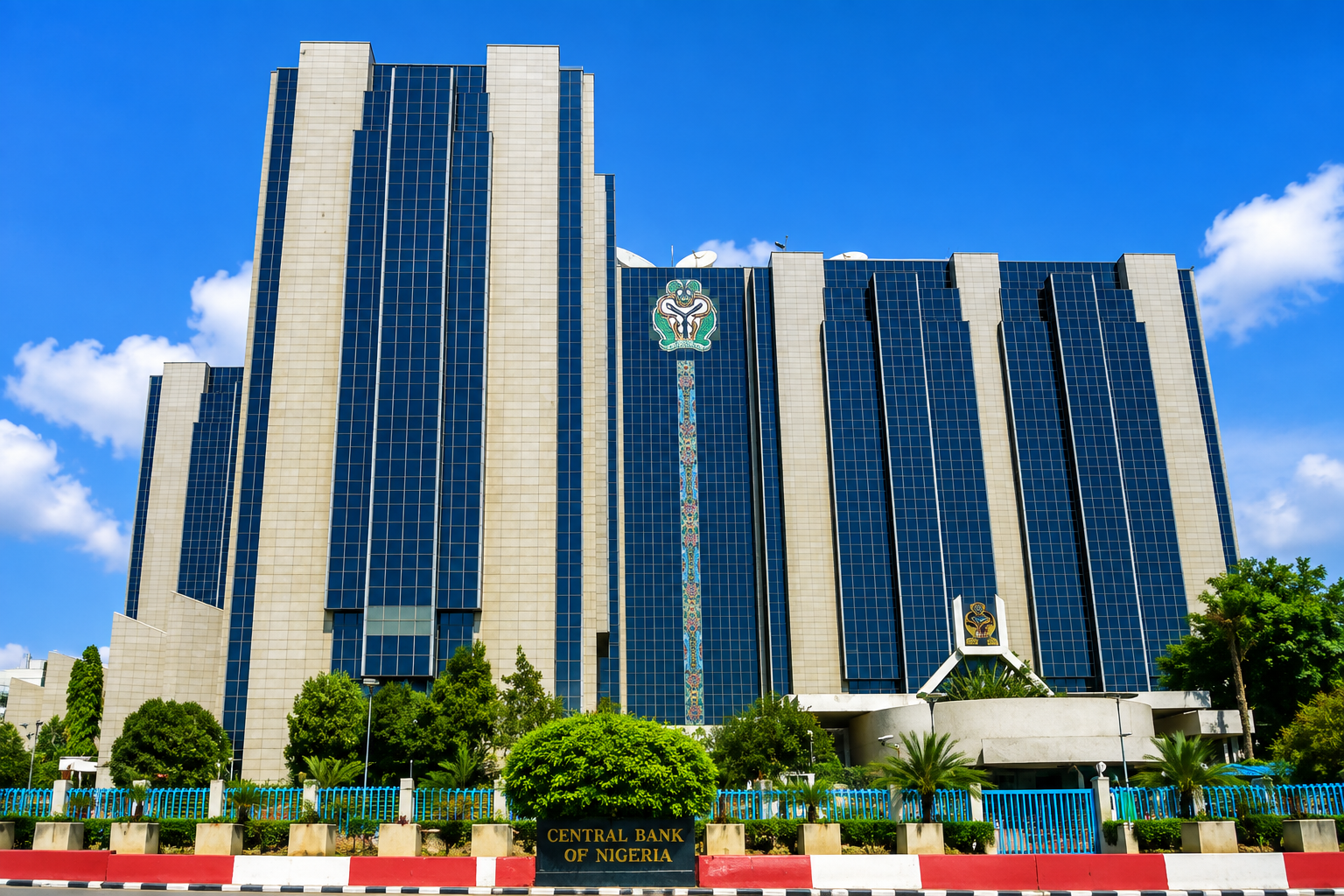
The Central Bank of Nigeria has cancelled the planned N700bn Treasury bills auction scheduled for August 5, 2026, after withdrawing N4.69tn from the banking system through Open Market Operations in two consecutive sessions.
The CBN absorbed N2.52tn through a 141-day OMO bill on August 3, followed by another N2.17tn through 112-day and 113-day OMO bills on August 4.
The scale of the liquidity withdrawal appears to have prompted the authorities to pause the Treasury bills auction rather than place additional pressure on funds available within the banking system.
Although the CBN, acting on behalf of the Debt Management Office, did not publicly give a reason for the cancellation, market participants linked the timing to concerns over tightening liquidity conditions.
The cancelled auction was initially scheduled to offer N700bn across 91-day, 182-day and 364-day Treasury bills, with settlement due on August 6.
The latest intervention follows N7.18tn in OMO sales conducted by the CBN in July. Combined with the operations carried out during the first four days of August, the amount withdrawn through OMO transactions has exceeded N11.8tn.
Demand for government securities has also remained strong. At the July 29 Treasury bills auction, the CBN allotted about N1.25tn, significantly above the initial N700bn offer, with investors showing particularly strong demand for the 364-day bill.
The developments leave monetary authorities balancing the need to raise domestic financing against the risk of placing further pressure on liquidity in the banking system.
The cancelled auction forms part of the N5.8tn Treasury bills issuance programme for the third quarter of 2026. The programme targets about N3.16tn in net new borrowing after accounting for maturing bills.
The August 5 auction was one of six major N700bn issuance sessions scheduled for the quarter. The CBN and DMO said the remaining auction dates in the third-quarter calendar remain unchanged.
Investors will now watch whether the withdrawn N700bn offering is rescheduled or incorporated into subsequent auctions as liquidity conditions evolve.
The cancellation could affect the pace of government borrowing through Treasury bills if liquidity remains tight and the CBN continues using OMO operations to absorb funds from the banking system.
Other News
Top Stories- 1 U.S. Employers Add Just 29,000 Jobs in September as Unemployment Rises to 4.2%
- 2 Micron Posts Record $54.2 Billion Revenue as AI Memory Demand Drives Chip Boom
- 3 U.S. Treasury Yields Hit Highest Levels Since 2002 as Bond Selloff Deepens
- 4 Singapore Pays Citizens to Read Books for 15 Minutes a Day to Fight ‘Brain Rot’




Comments (0)
You must be logged in to post comments.
No comments yet. Be the first to start the conversation!