

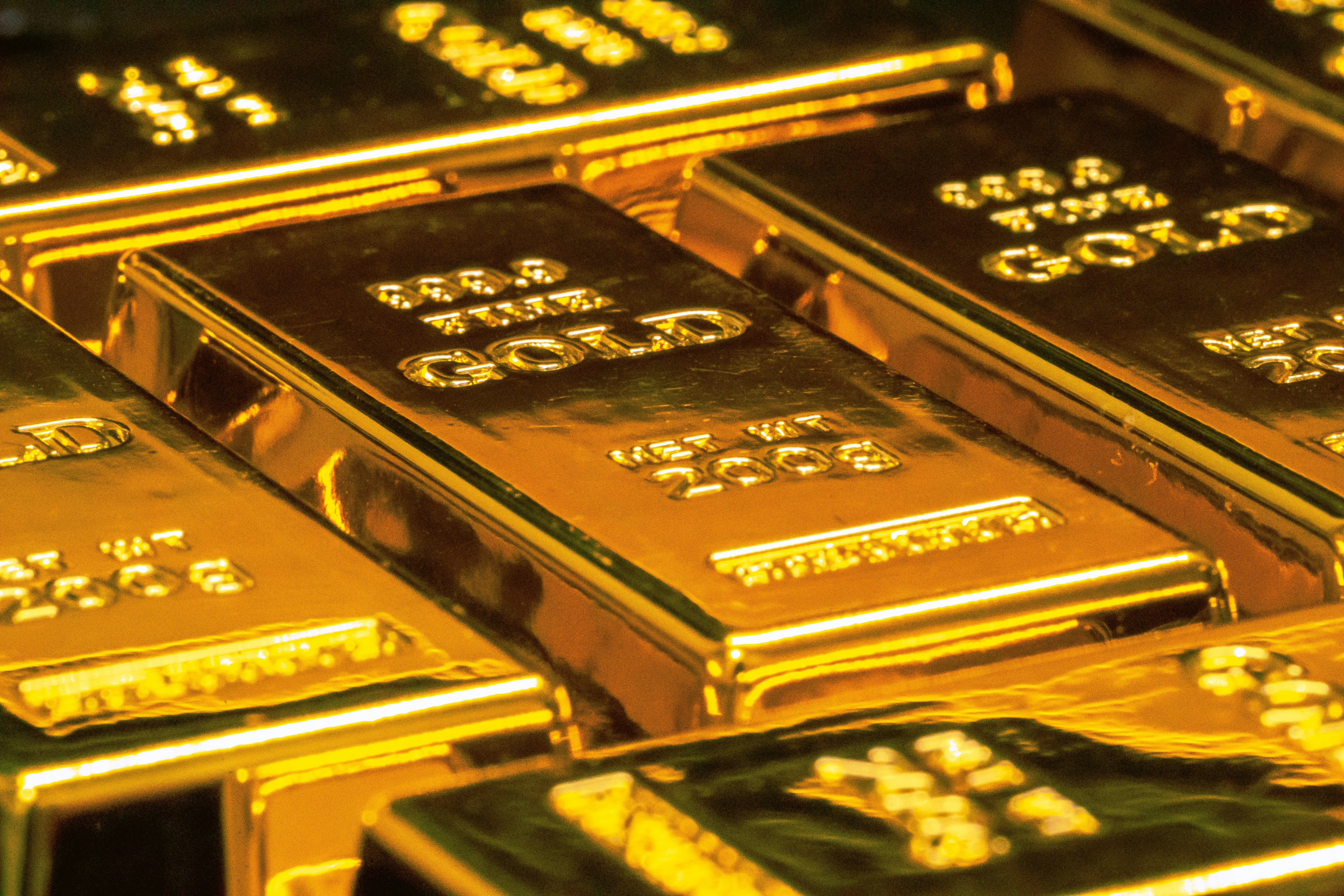
Gold prices extended their rally for a fourth consecutive session on Thursday, reaching their highest level since late June after weaker-than-expected U.S. employment data reinforced expectations that the Federal Reserve may keep interest rates unchanged in September.
The precious metal also drew support from renewed optimism that the Strait of Hormuz a critical global energy shipping route could soon reopen following reports of progress in negotiations involving Iran and Oman. Together, these developments have improved investor sentiment while strengthening gold's appeal as both a defensive asset and a portfolio diversifier.
Spot gold briefly climbed to approximately $4,295 per ounce before easing to around $4,268, while U.S. gold futures traded near $4,329 per ounce, reflecting sustained buying interest across global markets.
One of the biggest catalysts behind gold's recent advance was weaker U.S. labor market data. Payroll processor ADP reported that private sector hiring slowed sharply in July, suggesting the U.S. economy may be losing momentum. A softer labor market reduces the likelihood that the Federal Reserve will raise interest rates in the near term.
For gold investors, this is significant.
Unlike bonds or savings accounts, gold does not generate interest income. When interest rates are expected to remain stable or eventually decline, the opportunity cost of holding gold falls, making the metal relatively more attractive to institutional and retail investors alike.
Expectations of a more accommodative Federal Reserve also placed pressure on the U.S. dollar, providing another tailwind for bullion prices.
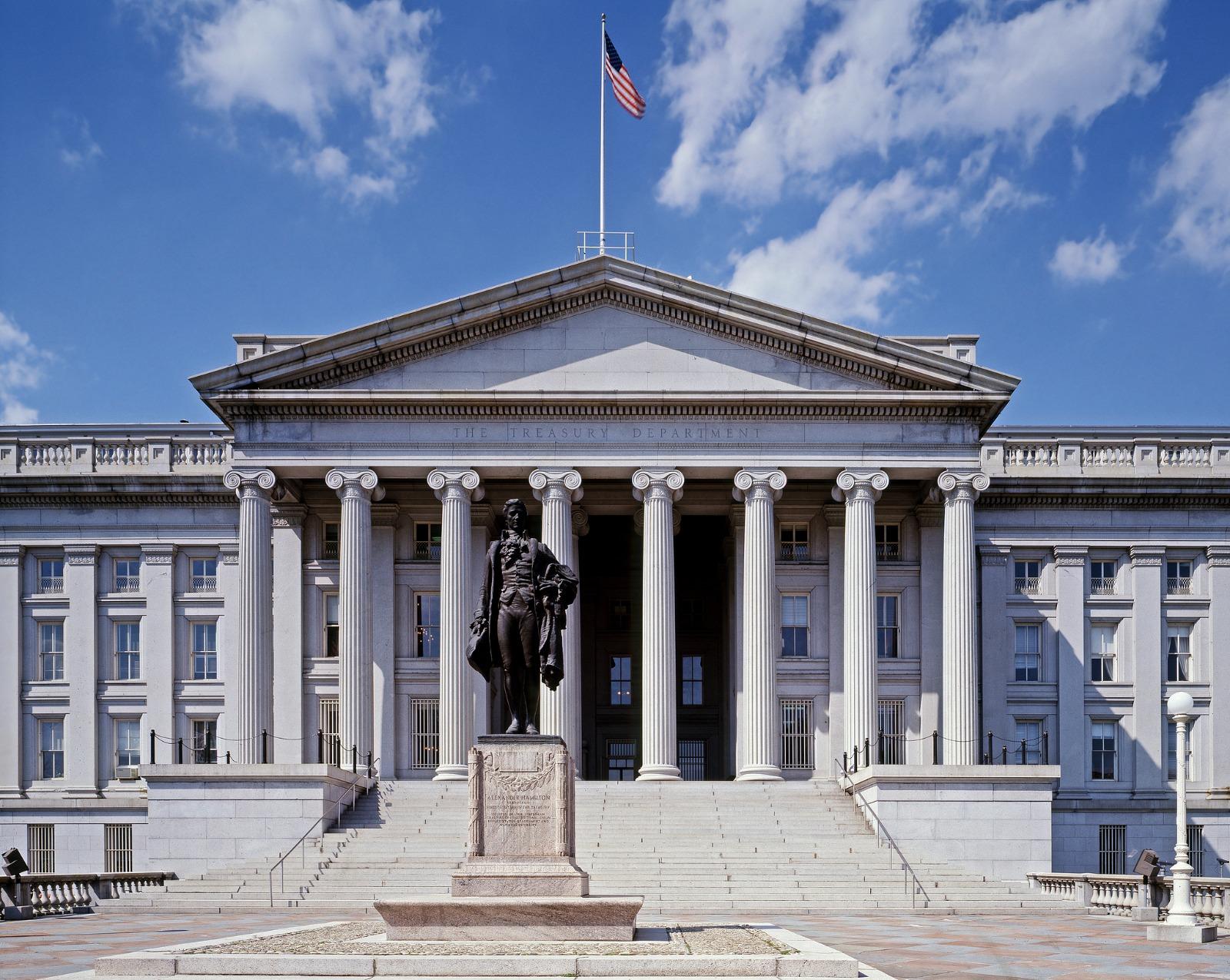
The U.S. Dollar Index remained near six-week lows after reports that Japan intervened in currency markets to stabilize the yen, with analysts estimating that roughly $60 billion worth of U.S. Treasuries were sold during the intervention.
Because gold is priced in U.S. dollars, a weaker dollar generally makes the metal cheaper for buyers using other currencies, often increasing global demand.
This inverse relationship between gold and the dollar remains one of the most closely watched indicators in commodity markets.
Investors are also monitoring geopolitical developments in the Middle East.
Reports suggesting that Iran is nearing an agreement with Oman to reopen the Strait of Hormuz have eased some concerns over disruptions to global energy supplies.
Although easing geopolitical tensions would normally reduce demand for traditional safe-haven assets, the prospect of lower oil prices also eases inflation expectations and reduces pressure on central banks to tighten monetary policy aggressively.
This combination has created an environment that remains supportive for gold despite improving risk sentiment.
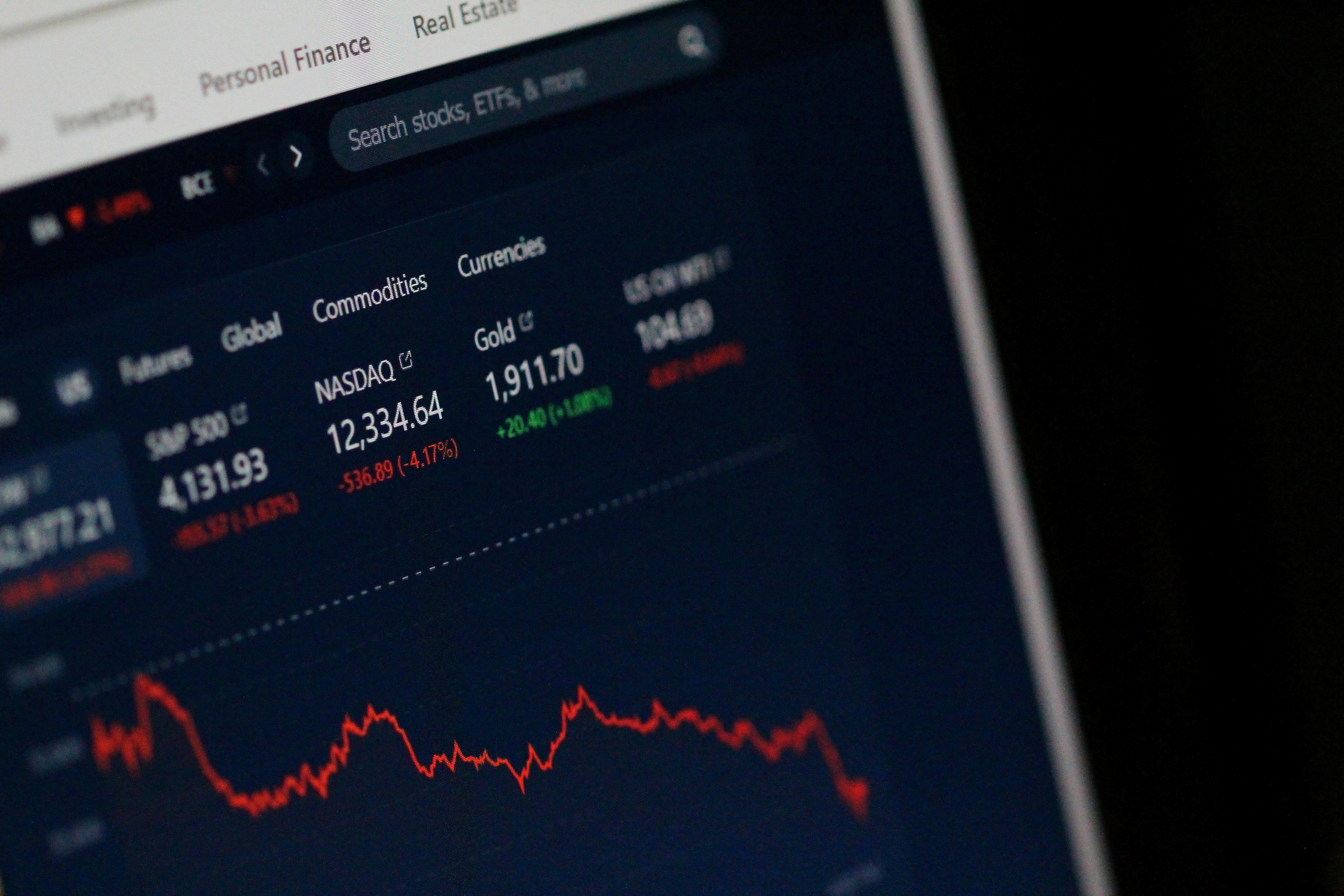
The latest rally highlights how multiple macroeconomic forces are converging to influence global investment decisions. For equity investors, expectations of lower interest rates are generally supportive for growth oriented sectors such as technology, communication services, and consumer discretionary stocks, as cheaper borrowing costs can improve corporate valuations.
For bond investors, weaker economic data could increase demand for U.S. Treasuries if markets anticipate future monetary easing.
Commodity investors may also see diverging trends emerge. While easing tensions around the Strait of Hormuz could weigh on oil prices by reducing supply risk, gold continues to benefit from expectations of lower interest rates and a weaker dollar.
Portfolio managers are likely to continue using gold as a hedge against economic uncertainty while selectively increasing exposure to sectors expected to benefit from a more accommodative monetary policy.
Despite gold recent rebound, it remains more than 20% below the record highs reached earlier this year. That suggests investors are becoming more selective rather than aggressively chasing prices, focusing instead on incoming economic data, Federal Reserve policy signals, inflation trends, and geopolitical developments.
Attention now shifts to upcoming U.S. employment and inflation reports, which could determine the Federal Reserve's next policy move.
If economic indicators continue to soften and inflation remains under control, expectations for a pause in interest rate hikes or even future rate cuts, could provide additional support for gold prices.
However, any renewed strength in the U.S. economy or a rebound in the dollar could limit further gains, making upcoming economic releases critical for investors across commodities, equities, and fixed-income markets.
Other News
Top Stories- 1 U.S. Employers Add Just 29,000 Jobs in September as Unemployment Rises to 4.2%
- 2 Micron Posts Record $54.2 Billion Revenue as AI Memory Demand Drives Chip Boom
- 3 U.S. Treasury Yields Hit Highest Levels Since 2002 as Bond Selloff Deepens
- 4 Singapore Pays Citizens to Read Books for 15 Minutes a Day to Fight ‘Brain Rot’






Comments (0)
You must be logged in to post comments.
No comments yet. Be the first to start the conversation!