

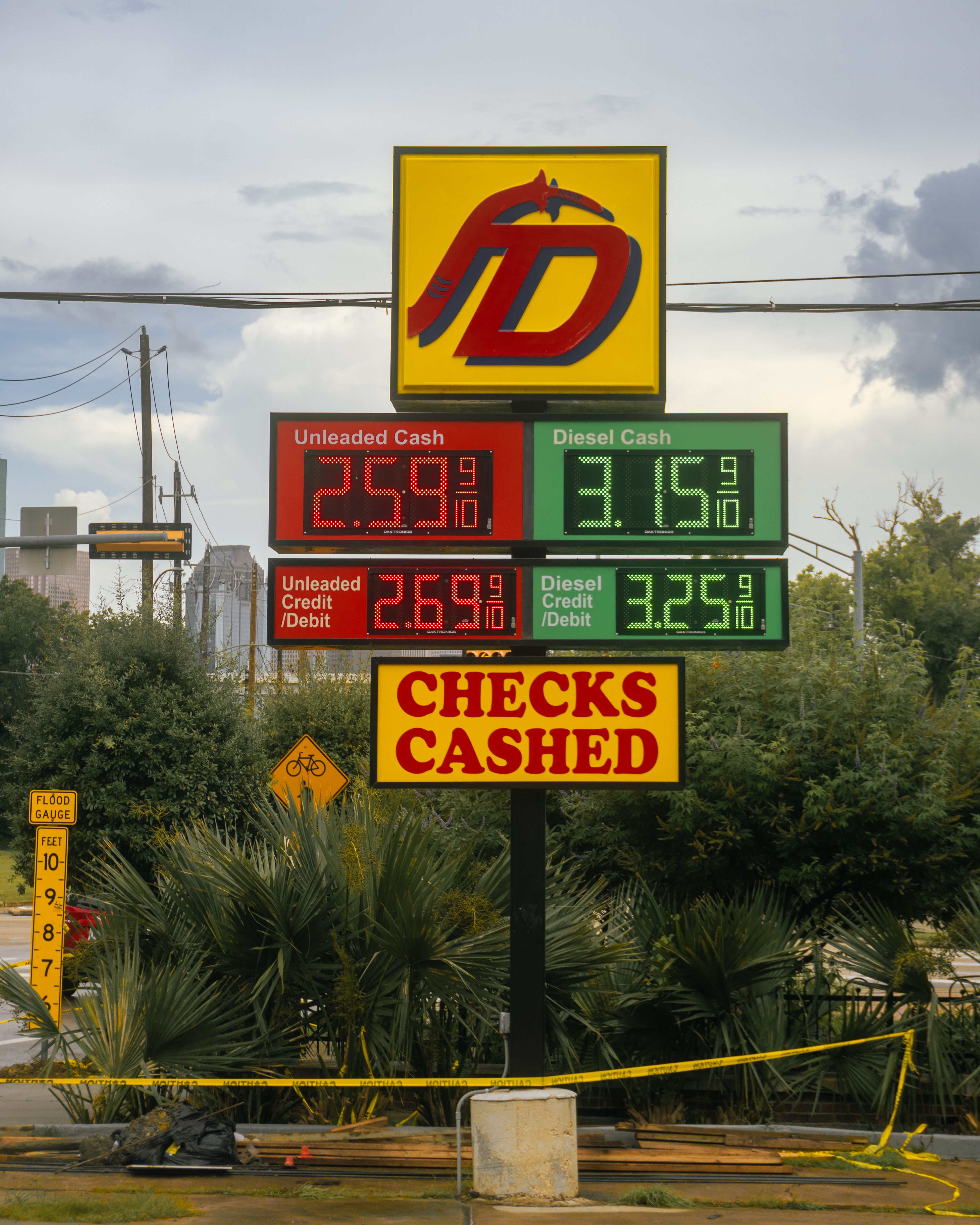
U.S. gasoline prices reached a record high for the Labor Day holiday, with the national average for regular gasoline rising to about $4.15 a gallon, according to AAA. The increase comes as elevated crude oil prices and supply disruptions keep pressure on fuel markets, although the seasonal transition to winter-blend gasoline could provide some relief in the weeks ahead.
Americans are paying more than ever for gasoline over the Labor Day holiday, with the national average price for regular unleaded reaching about $4.15 a gallon, according to AAA.
AAA's national average stood at $4.1505 per gallon on September 7, marking the highest Labor Day gasoline price on record. The previous holiday record was $3.82 a gallon, set on September 3, 2012.
The record comes despite the seasonal decline in gasoline demand that normally accompanies the end of the summer driving season. AAA said gasoline prices would typically ease at this time of year, but elevated crude oil costs have kept pressure on pump prices.
Oil prices have risen sharply amid disruptions to global energy supplies. Reuters reported that crude oil prices recently moved above $90 a barrel as geopolitical tensions and attacks on Russian refineries raised concerns about fuel supplies.
The higher oil costs have also fed through to U.S. gasoline inventories. Data from the Energy Information Administration showed U.S. gasoline inventories fell by 1.2 million barrels in the week ended August 28, while refinery utilization reached 98%, its highest level since August 2018.
The end of the summer driving season could nevertheless offer some relief. Gasoline sold during the warmer months is generally subject to stricter volatility requirements, while refiners transition toward winter-grade fuel as the season changes.
That seasonal shift could help lower production costs and ease some pressure on consumers. However, the impact could be limited if crude oil prices remain elevated or further supply disruptions emerge.
AAA said the national gasoline average was $3.1903 a gallon a year earlier, meaning the current price is roughly 96 cents higher than at the same time in 2025.
For consumers, the record Labor Day price marks a sharp reversal from the usual seasonal pattern and highlights the extent to which global oil market disruptions can influence domestic fuel costs.







Comments (0)
You must be logged in to post comments.
No comments yet. Be the first to start the conversation!