

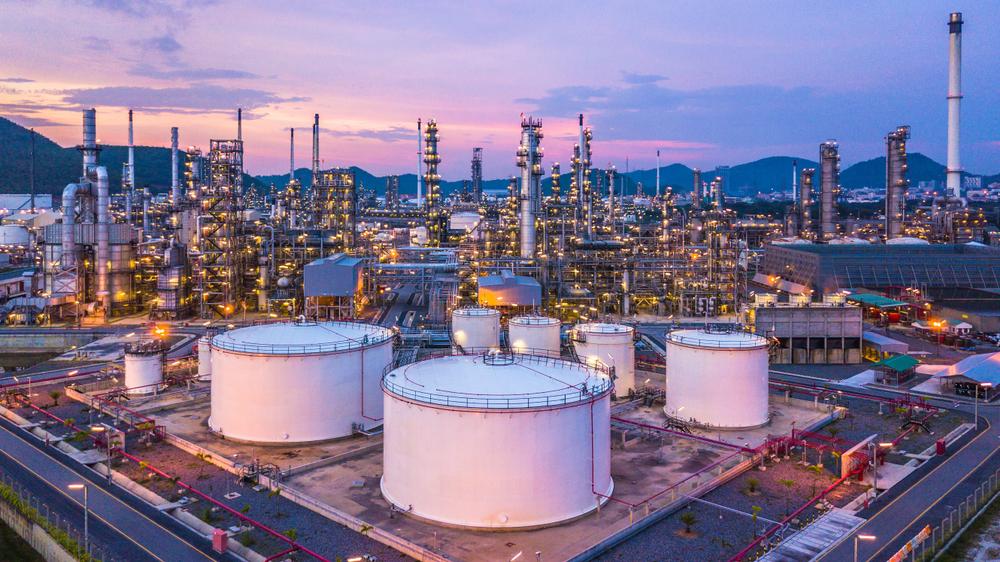
The International Energy Agency expects global oil supply to decline by 5.7 million barrels per day in 2026, or about 6%, as prolonged Middle East disruptions delay the return of normal Gulf flows into 2027. The worsening supply outlook has pushed crude prices toward $110 a barrel and is raising concerns over fuel costs and inflation.
The global oil market faces a deeper supply squeeze than previously expected as continuing conflict in the Middle East disrupts production and shipping routes, the International Energy Agency said on Friday.
The IEA now expects global oil supply to fall by 5.7 million barrels per day (bpd) in 2026, equivalent to about 6% of supply. That is significantly larger than its previous forecast of roughly a 4% decline. The agency said normal oil flows through the Gulf may not return until 2027 because of the ongoing conflict.
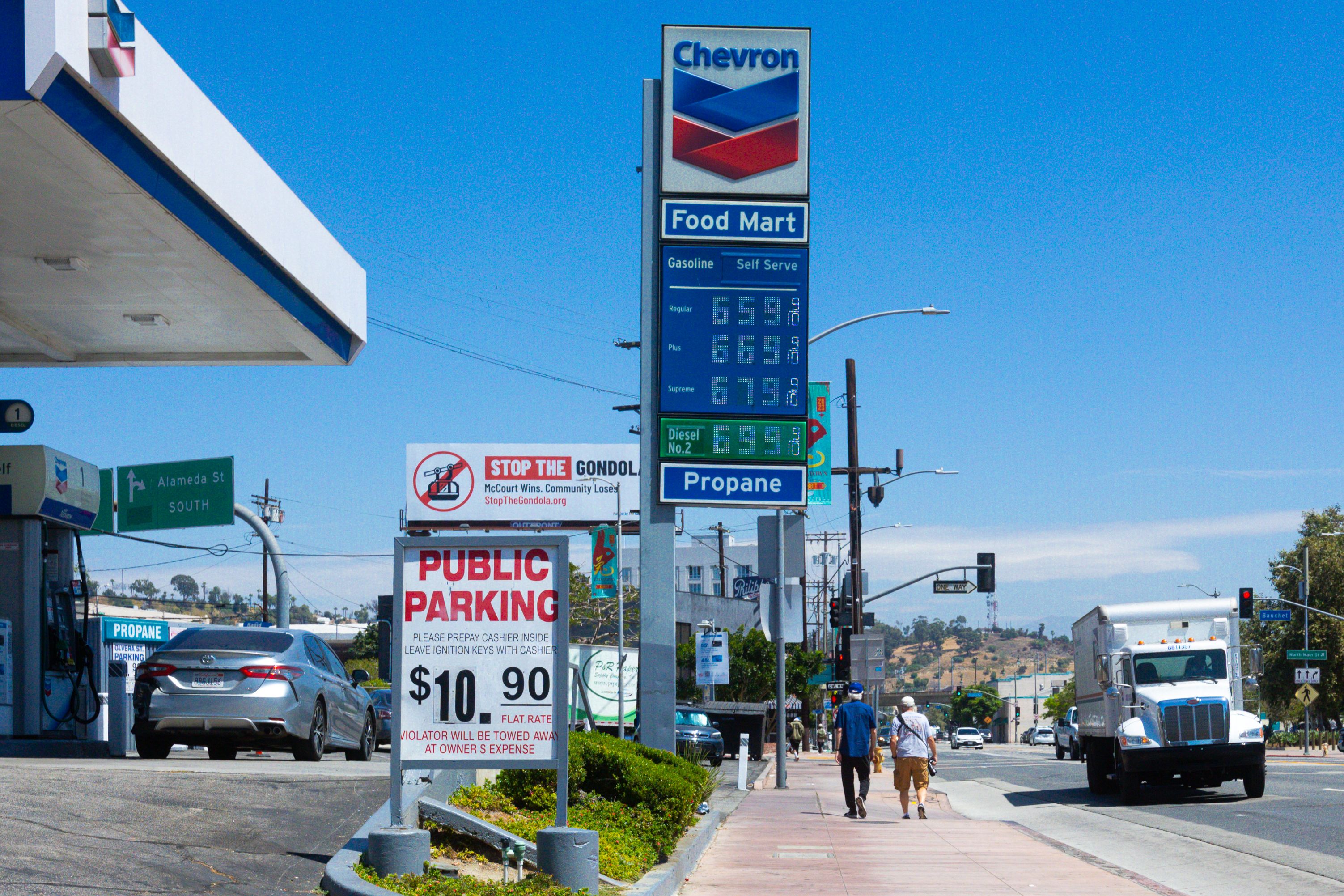
The supply disruptions have contributed to a sharp increase in oil prices. Brent crude approached $110 a barrel earlier this week before retreating, while refined fuel prices have risen even more sharply. U.S. diesel prices exceeded $6 a gallon for the first time, according to Reuters.
The IEA said global oil inventories fell by 3.1 million bpd in August, leaving stocks at their lowest level since 2023. The agency said inventories have so far helped balance the market, but shrinking buffers and a strained global refining system could leave the market increasingly vulnerable to additional disruptions.
Production losses have been particularly significant among major Middle Eastern producers. The IEA said Saudi Arabia's crude supply fell by 2.3 million bpd to 6 million bpd in August, its lowest level in more than three decades, following attacks that disrupted energy facilities and shipping routes.
OPEC+ production also declined by 1.8 million bpd to 38.8 million bpd in August, according to the IEA. Meanwhile, disruptions to shipping through the Strait of Hormuz have reduced the movement of oil and other commodities through one of the world's most important energy routes.
Oil demand is also weakening as higher prices weigh on consumption. The IEA expects global oil demand to decline by 2.5 million bpd in 2026, compared with its previous forecast for a 1.6 million bpd decline.
The agency expects the market to begin recovering in 2027, forecasting global oil demand growth of 2.6 million bpd. OPEC has also projected stronger demand next year, although its expectations differ from the IEA's outlook for 2026.
For oil-producing countries such as Nigeria, prolonged supply disruptions and elevated crude prices could have important implications for export earnings and government revenues. However, the impact will also depend on Nigeria's own crude production levels, export volumes, domestic fuel demand and the extent to which higher international prices are offset by production disruptions or other costs.
The IEA said restoring stability in the Middle East and resolving the Russia-Ukraine conflict will be increasingly important to prevent further tightening of the global oil market.





Comments (0)
You must be logged in to post comments.
No comments yet. Be the first to start the conversation!