

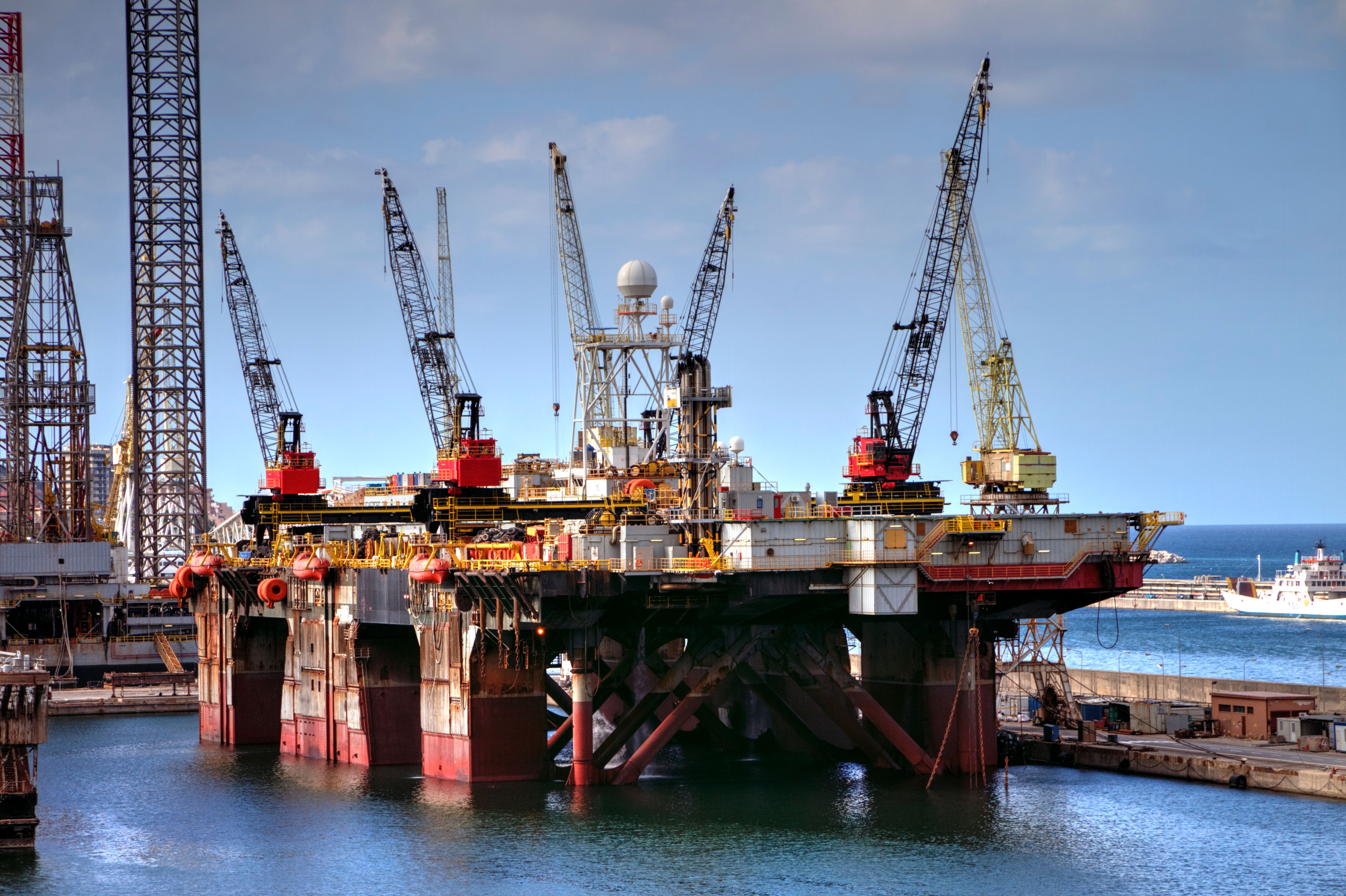
Oil prices are heading for a weekly gain of about 10%, with Brent crude remaining above $100 a barrel as disruptions to Middle East shipping raise concerns about global supplies. U.S. diesel prices have also reached a record above $6 per gallon, adding to inflation pressures facing consumers and businesses.
Oil prices are on track to end the week above $100 a barrel for the first time since mid-May, as escalating conflict in the Middle East disrupts shipping routes and raises concerns about prolonged supply shortages.
Brent crude was trading around $106 a barrel on Friday after reaching a four-month high of $109.97 earlier in the session. U.S. West Texas Intermediate crude was also above $100. Both benchmarks remained more than 10% higher for the week despite falling on Friday as reports emerged of possible diplomatic efforts to manage shipping through the Strait of Hormuz.
The latest increase has been driven by growing concerns over oil flows through key Middle Eastern shipping routes. Vessel traffic through the Strait of Hormuz fell to seven on Thursday from 11 a day earlier, according to preliminary shipping data cited by Reuters. The waterway handled about one-fifth of global daily oil and liquefied natural gas supplies before the conflict began.
The supply risks have extended beyond the Strait of Hormuz. Iran has attacked commercial vessels in the region, while Iran-aligned Houthi forces have taken control of Yemen's port of Mocha, creating additional risks for Red Sea shipping and energy supplies.
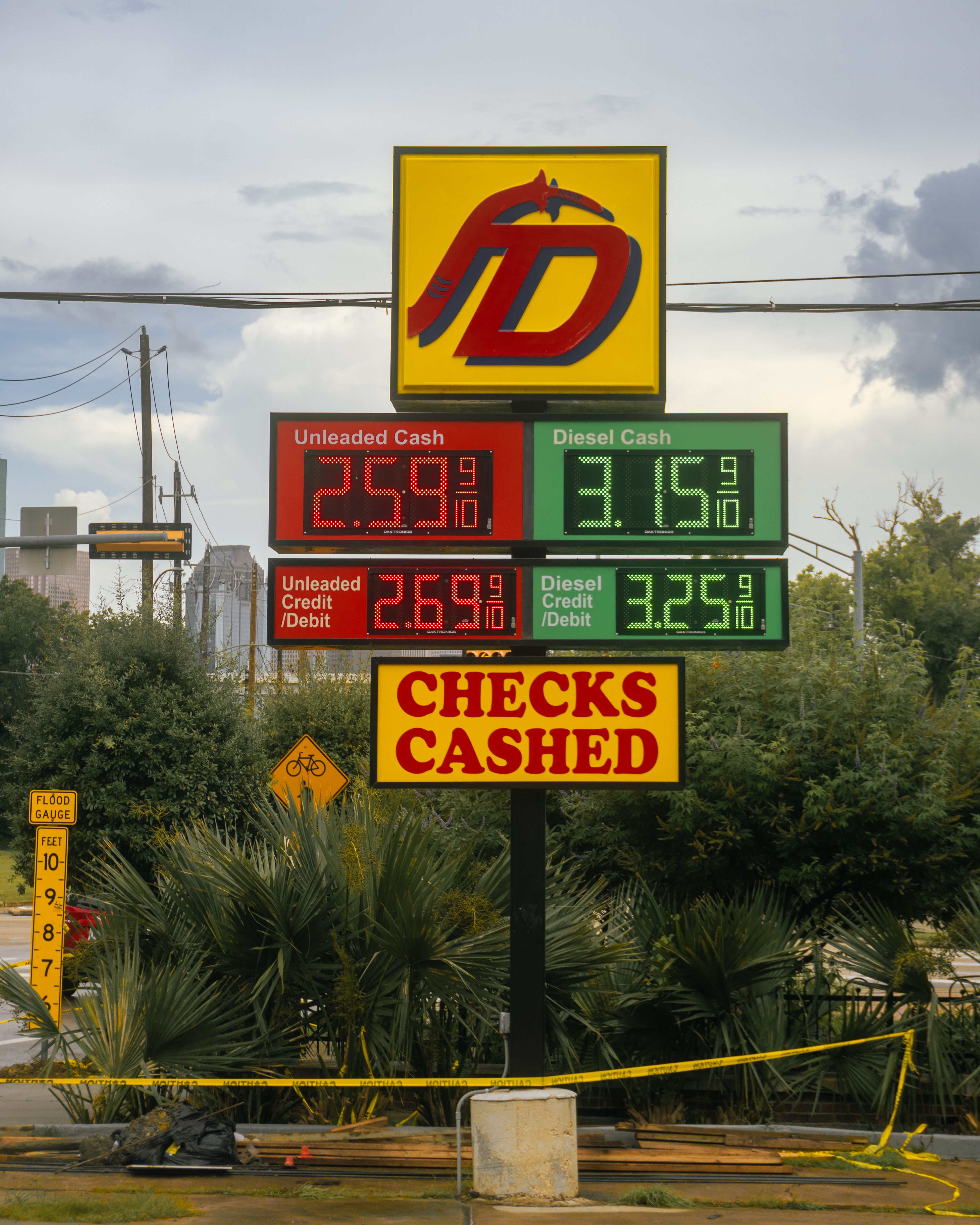
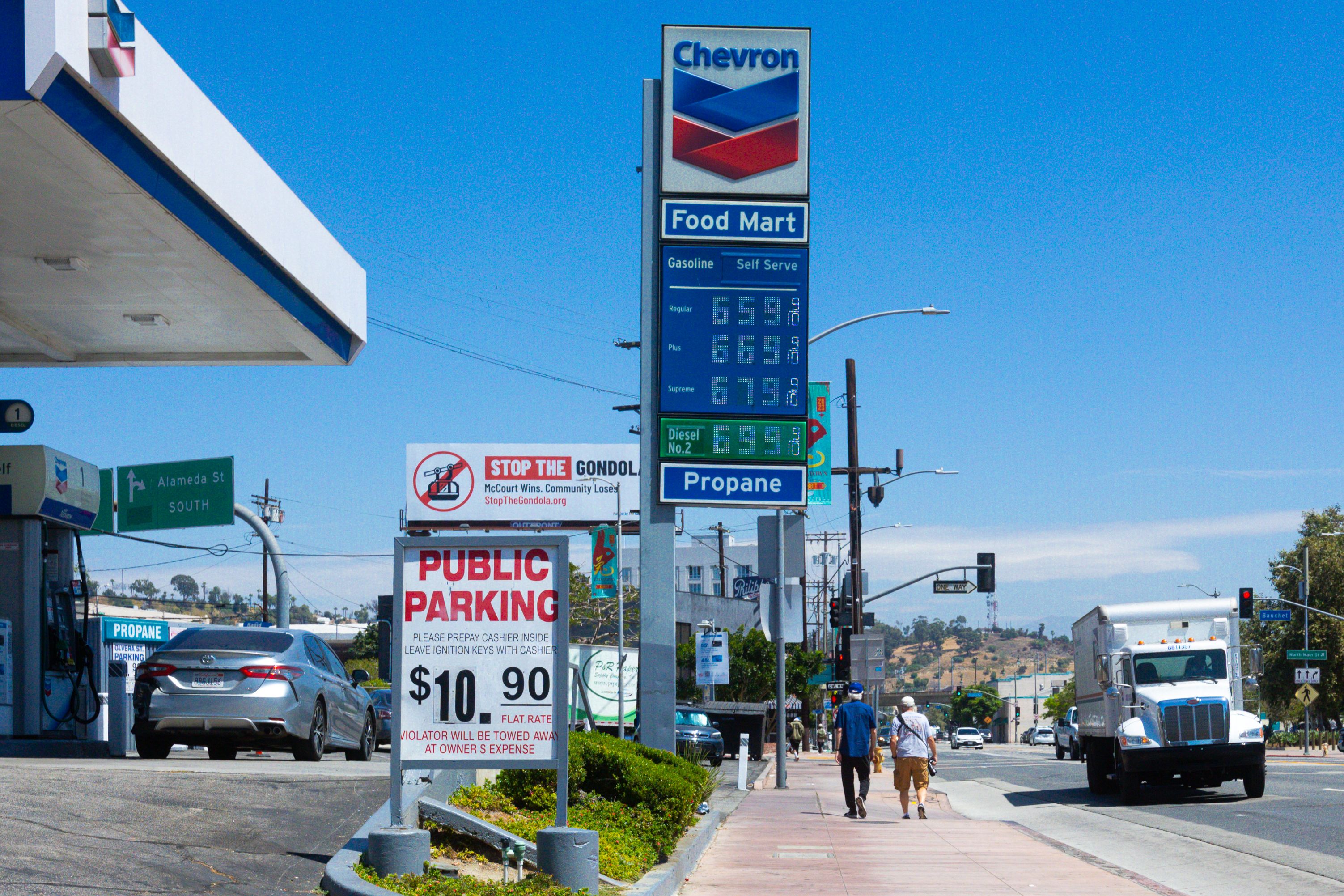
The disruption is already feeding into refined fuel markets. The U.S. national average diesel price exceeded $6 per gallon for the first time on Thursday, according to price tracker GasBuddy. Analysts said diesel is being affected by both Middle Eastern shipping restrictions and disruptions to Russian refining capacity following Ukrainian attacks.
The surge in energy prices is also increasing concerns about inflation and interest rates. Higher fuel costs can raise transportation and production expenses, potentially increasing prices for goods and services while putting additional pressure on central banks to keep monetary policy tight.
The International Energy Agency said on Friday that global oil supply is now expected to decline by 5.7 million barrels per day, or about 6%, in 2026, a larger reduction than previously forecast. The agency also lowered its demand outlook, projecting a decline of 2.5 million barrels per day as high fuel prices weigh on consumption.
Global oil inventories fell by 3.1 million barrels per day in August, according to the IEA, leaving less of a buffer to absorb further supply disruptions. The agency warned that restoring normal Middle Eastern oil flows could be delayed into 2027 if the conflict continues.
The developments have begun to affect financial markets. Rising energy prices have contributed to higher bond yields as investors reassess inflation risks, while stock markets have come under pressure. The U.S. 10-year Treasury yield approached 5% on Friday before easing, while major European and Asian equity markets recorded weekly declines.
For consumers and businesses, the immediate concern is the cost of refined fuels. Continued restrictions on shipping and oil production could keep pressure on gasoline, diesel, jet fuel and other energy prices, while any improvement in Middle Eastern supply flows could ease the recent rally.







Comments (0)
You must be logged in to post comments.
No comments yet. Be the first to start the conversation!