

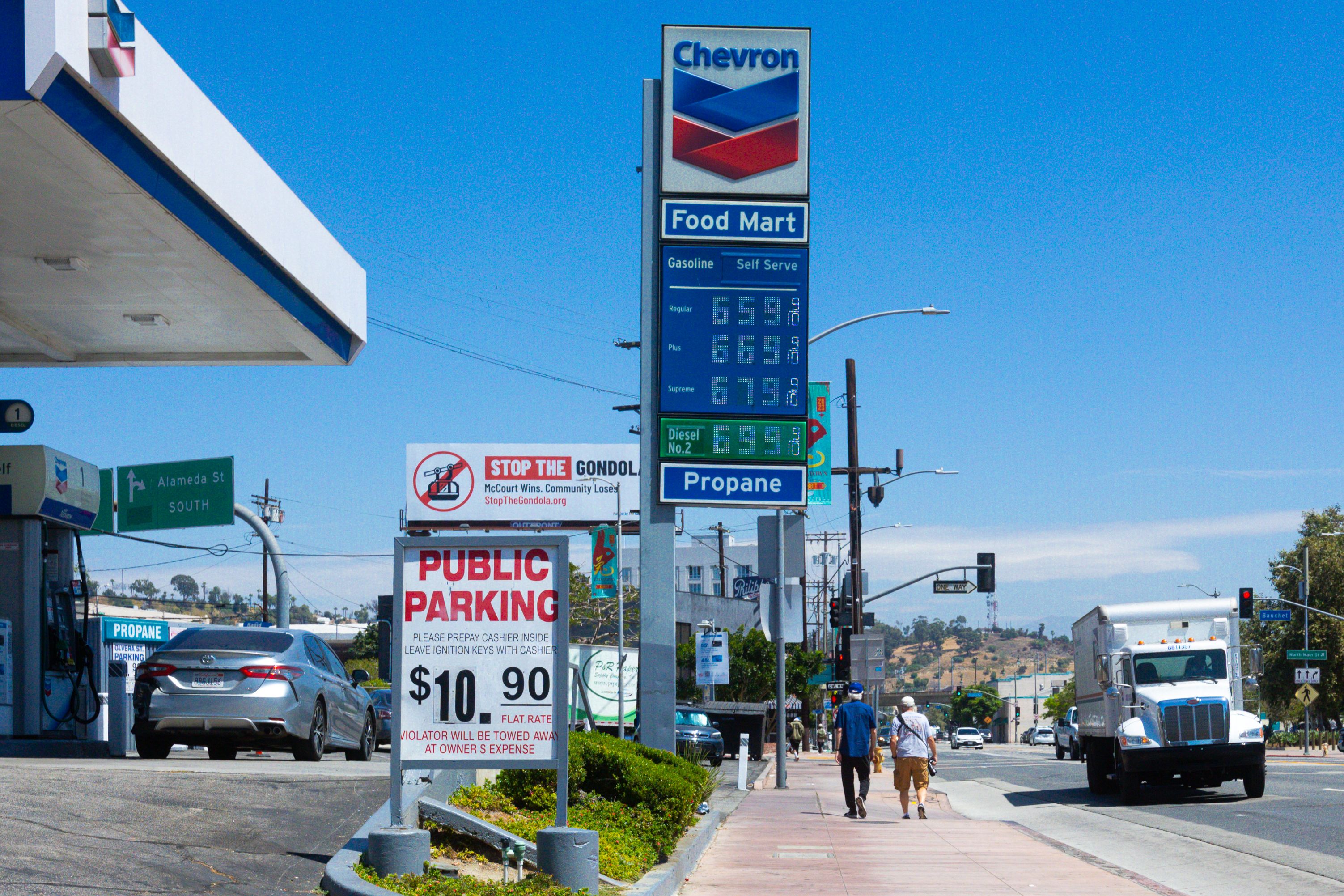
Chevron plans to invest more than $7 billion in Venezuela over the next five years and more than double its oil production in the country to about 600,000 barrels per day. The expansion will give Chevron additional acreage in Venezuela’s oil-rich Orinoco Belt and strengthens its position as the country’s energy sector undergoes a major restructuring.
Chevron is expanding its presence in Venezuela with plans to invest more than $7 billion over the next five years and increase production to approximately 600,000 barrels per day, more than double its expected 2026 output.
The U.S. oil major said Wednesday that updated agreements with Venezuela provide improved fiscal, commercial and legal terms for its joint ventures, while also giving the company additional acreage in the Orinoco Belt, home to much of Venezuela’s vast extra heavy crude resources.
Under the agreements, Chevron’s 49% owned Petroindependencia joint venture will develop the adjacent Carabobo-1 and Carabobo-2-South-A areas. The new sites will expand the company’s existing operations and support additional production of extra-heavy crude.
Chevron said its three Venezuelan joint ventures have already increased production by 15% so far this year. The company expects total production costs to remain below $20 per barrel, supporting its strategy of increasing Venezuelan output while maintaining capital discipline.
The investment represents a significant expansion of Chevron’s long standing Venezuelan operations. The company has maintained a presence in the country for more than a century, while other major U.S. producers such as ExxonMobil and ConocoPhillips exited after their assets were nationalized in 2007.
READ ALSO;
- U.S. Plans 35% Stake in Venezuelan Oil Venture Linked to Alejandro Betancourt
- Oil Prices Surge on Red Sea Attack as Investors Reassess Global Market and Inflation Risks
- U.S. Treasury Yields Fall as Oil Prices Drop on Hopes of Iran De-Escalation
The expansion comes as Washington seeks to revive Venezuela’s oil industry and attract foreign investment. U.S. authorities have eased restrictions on energy activity, while the Trump administration has promoted a broader reconstruction effort aimed at increasing Venezuelan production.
Venezuela holds the world’s largest proven crude oil reserves, but years of underinvestment and operational problems have left production far below historical levels. Reviving the industry will require substantial investment in drilling, infrastructure and upgrading facilities, particularly because much of the country’s crude is extra-heavy and requires specialized processing.
For Chevron, the expanded acreage provides access to additional resources while strengthening its position in a country that could become increasingly important to global oil supply. The company’s target of 600,000 barrels per day also represents a substantial increase from its current production of roughly 280,000 barrels per day.





Comments (0)
You must be logged in to post comments.
No comments yet. Be the first to start the conversation!