

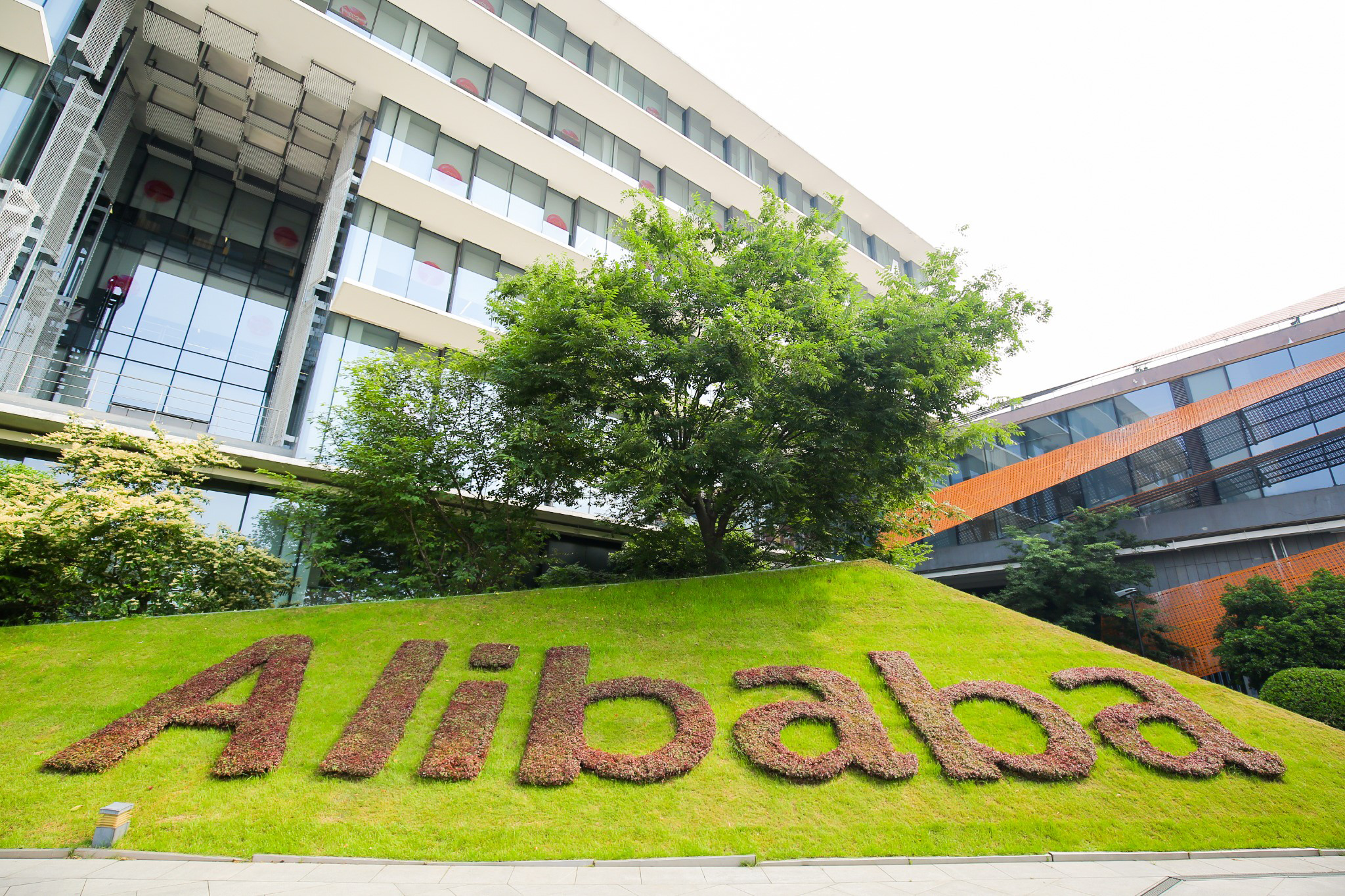
Alibaba Group has agreed to sell its videogame business, Lingxi Games, to private equity firm Trustar Capital as the Chinese technology company continues to shift resources toward artificial intelligence and cloud computing.
Alibaba will transfer its entire stake in Lingxi Games to Trustar, according to an internal memo sent to employees by Lingxi Chief Executive Zhou Bingshu and reviewed by Reuters. The memo confirmed that the two companies had reached a formal agreement after several rounds of negotiations.
The memo did not disclose the transaction value or when the deal is expected to close. A person familiar with the matter told Reuters that Alibaba is expected to receive more than $2 billion from the sale.
Earlier reports had valued the transaction at more than $1.5 billion, making the latest reported figure significantly higher than previous estimates. However, because Alibaba and Trustar have not publicly disclosed the final purchase price, the exact value remains unconfirmed.
Alibaba's fiscal 2026 results showed strong growth in its Cloud Intelligence Group. Revenue from the group reached 158.1 billion yuan ($22.9 billion) for the year ended March 31, 2026, up 34% from the previous year. Alibaba said growth was driven partly by increasing adoption of AI-related products.
The company has also been reshaping its portfolio by reducing its exposure to businesses that are outside its main strategic priorities. Lingxi Games was included in Alibaba's "All others" reporting category, alongside businesses such as Freshippo, Alibaba Health, Amap and DingTalk. Alibaba does not separately disclose Lingxi's revenue in its financial statements.
Trustar Capital, an Asia focused private equity firm formerly known as CITIC Capital, will become Lingxi's new owner. Lingxi is based in Guangzhou and is known for games including Three Kingdoms: Strategy Edition, which was developed in collaboration with Japan's Koei Tecmo.
The sale gives Trustar control of a gaming business with established titles, while allowing Alibaba to concentrate more heavily on areas it considers strategically important. According to the internal memo reviewed by Reuters, Lingxi's existing management and operations are expected to continue following the transaction.
For Alibaba, the transaction is part of a broader effort to streamline its businesses while directing capital toward higher priority areas. The company has been increasing investment in AI and cloud infrastructure as it seeks to make those businesses important drivers of future growth. The sale of Lingxi provides another example of Alibaba reducing its exposure to non-core operations.
For investors, the key question will be how Alibaba deploys the proceeds from the transaction and whether its growing AI and cloud investments can deliver stronger returns over time.
The Lingxi deal is therefore not simply an exit from gaming. It is another sign of Alibaba's broader shift toward AI, cloud computing and its core businesses.
Other News
Top Stories- 1 U.S. Employers Add Just 29,000 Jobs in September as Unemployment Rises to 4.2%
- 2 Micron Posts Record $54.2 Billion Revenue as AI Memory Demand Drives Chip Boom
- 3 U.S. Treasury Yields Hit Highest Levels Since 2002 as Bond Selloff Deepens
- 4 Singapore Pays Citizens to Read Books for 15 Minutes a Day to Fight ‘Brain Rot’


Comments (0)
You must be logged in to post comments.
No comments yet. Be the first to start the conversation!