

U.S. stocks fell on Monday as rising oil prices and renewed tensions surrounding the Iran conflict added to concerns about inflation and the outlook for financial markets.
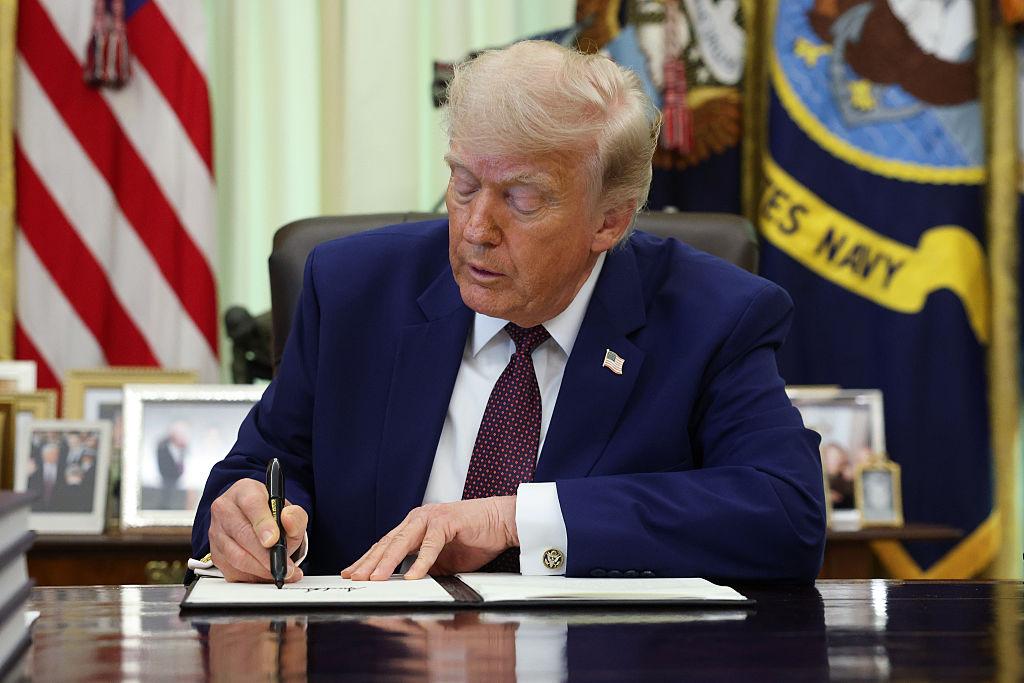
President Donald Trump said Monday that he does not intend to extend the existing U.S.-Iran ceasefire arrangement, while warning Oman against interfering with U.S. efforts to resolve the conflict and reopen the strategically important Strait of Hormuz.
Reuters reported that Trump also said Iran would not accept the agreement he believes is necessary to end the conflict. The comments came as the deadline for negotiations under a June memorandum of understanding expired without a final agreement, increasing uncertainty over the direction of the conflict and the possibility of further disruption in the region.
The developments are particularly important for U.S. investors because of their potential impact on oil prices and inflation. Brent crude settled at $90.87 a barrel on Monday, while West Texas Intermediate crude settled at $84.50, with both benchmarks gaining more than $2 as concerns over supply disruptions intensified. Reuters reported that shipping through the Strait of Hormuz has slowed sharply amid the conflict.
Higher oil prices can increase transportation, manufacturing and energy costs across the economy. They can also complicate the Federal Reserve's efforts to control inflation, potentially affecting expectations for future interest rates.
Wall Street responded cautiously. The S&P 500 fell 40.70 points, or 0.52%, to 7,745.06, while the Dow Jones Industrial Average declined 0.51% and the Nasdaq Composite lost 0.31%.
Energy stocks were the exception among the major S&P 500 sectors, rising 0.87% as crude prices climbed. Most other sectors declined, highlighting the pressure that higher energy costs and renewed geopolitical uncertainty can place on broader equities.
The immediate market reaction does not necessarily mean the Iran conflict will trigger a prolonged stock market selloff. However, investors are likely to remain sensitive to developments involving Iran, Oman and the Strait of Hormuz because a sustained disruption to oil flows could push energy prices higher and add to inflationary pressures.
For the S&P 500, the key question is whether the latest escalation remains primarily diplomatic rhetoric or develops into a broader disruption of global energy supplies.
Investors will therefore be watching oil prices, Treasury yields and further developments in the U.S.-Iran conflict closely in the coming sessions.
Other News
Top Stories- 1 U.S. Employers Add Just 29,000 Jobs in September as Unemployment Rises to 4.2%
- 2 Micron Posts Record $54.2 Billion Revenue as AI Memory Demand Drives Chip Boom
- 3 U.S. Treasury Yields Hit Highest Levels Since 2002 as Bond Selloff Deepens
- 4 Singapore Pays Citizens to Read Books for 15 Minutes a Day to Fight ‘Brain Rot’






Comments (0)
You must be logged in to post comments.
No comments yet. Be the first to start the conversation!