

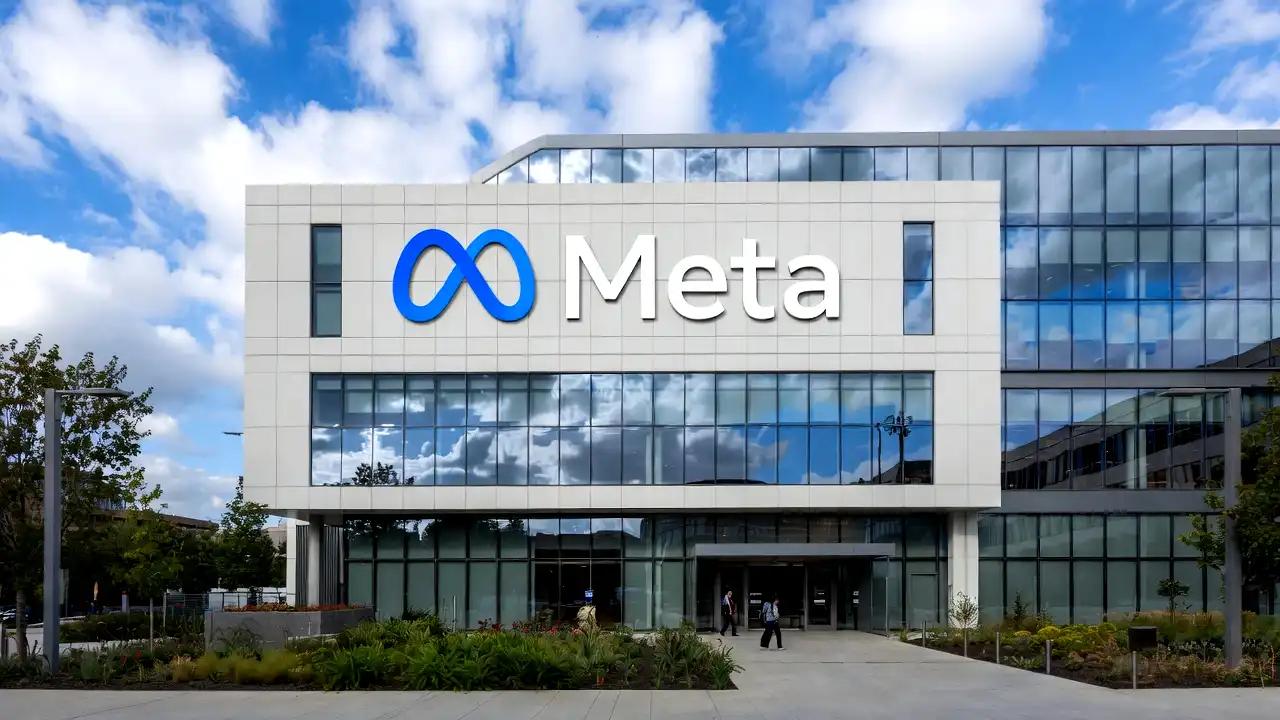
Meta Platforms is facing a major federal trial after 29 U.S. states accused the company of designing Facebook and Instagram in ways that encouraged young users to spend excessive amounts of time on the platforms and of mishandling children's data. Meta denies the allegations, while the states are seeking financial penalties and changes to how the platforms operate.
Meta Platforms is defending itself against allegations from 29 U.S. states that it deliberately designed Facebook and Instagram to keep children engaged for longer periods while misleading the public about the platforms' safety.
The case opened Tuesday in federal court in Oakland, California, in what Reuters described as a major legal test of growing claims that social-media companies have contributed to harm among young users. The states allege that Meta violated federal law by improperly collecting and using children's personal information and used features that encouraged excessive engagement among younger users.
California, Colorado, Kentucky and New Jersey are leading the states' claims involving alleged consumer-protection violations. The broader group is also pursuing federal claims under the Children's Online Privacy Protection Act, according to court documents and Reuters.
Meta has rejected the allegations. The company argues that the states have not established a clear link between adolescent social-media use and declining well-being and says its products are designed with user safety in mind.
The potential financial exposure is substantial. Meta has said the states could seek penalties of as much as $1.4 trillion, although state attorneys general have indicated the amount could be closer to $200 billion, according to Reuters. The figures reflect competing interpretations of how penalties could be calculated under the relevant state laws.
The states are also seeking changes to Facebook and Instagram. Proposed remedies include restrictions affecting younger users and changes to features such as infinite scrolling and engagement mechanisms, according to Reuters.
A former Meta safety engineer, Arturo Bejar, was the first witness called by the states. Bejar has previously testified about Meta's approach to youth safety and has argued that the company's safeguards for younger users were inadequate.
The case will use an advisory jury, whose findings will not be binding. U.S. District Judge Yvonne Gonzalez Rogers will ultimately determine whether Meta is liable and, if so, what penalties or other remedies should apply.
The trial is expected to last several weeks, with Meta CEO Mark Zuckerberg and Instagram head Adam Mosseri expected to testify.
The case is part of a broader wave of litigation against major social-media companies, including Meta, Alphabet's YouTube, TikTok parent ByteDance and Snap. A federal appeals court recently allowed thousands of separate lawsuits alleging that social-media platforms harmed young users to proceed.
For investors, the case creates a potentially significant legal and regulatory risk for Meta. Beyond any financial penalties, a ruling requiring changes to core features of Facebook and Instagram could affect how the company operates its platforms and engages younger users.
Other News
Top Stories- 1 U.S. Employers Add Just 29,000 Jobs in September as Unemployment Rises to 4.2%
- 2 Micron Posts Record $54.2 Billion Revenue as AI Memory Demand Drives Chip Boom
- 3 U.S. Treasury Yields Hit Highest Levels Since 2002 as Bond Selloff Deepens
- 4 Singapore Pays Citizens to Read Books for 15 Minutes a Day to Fight ‘Brain Rot’






Comments (0)
You must be logged in to post comments.
No comments yet. Be the first to start the conversation!