

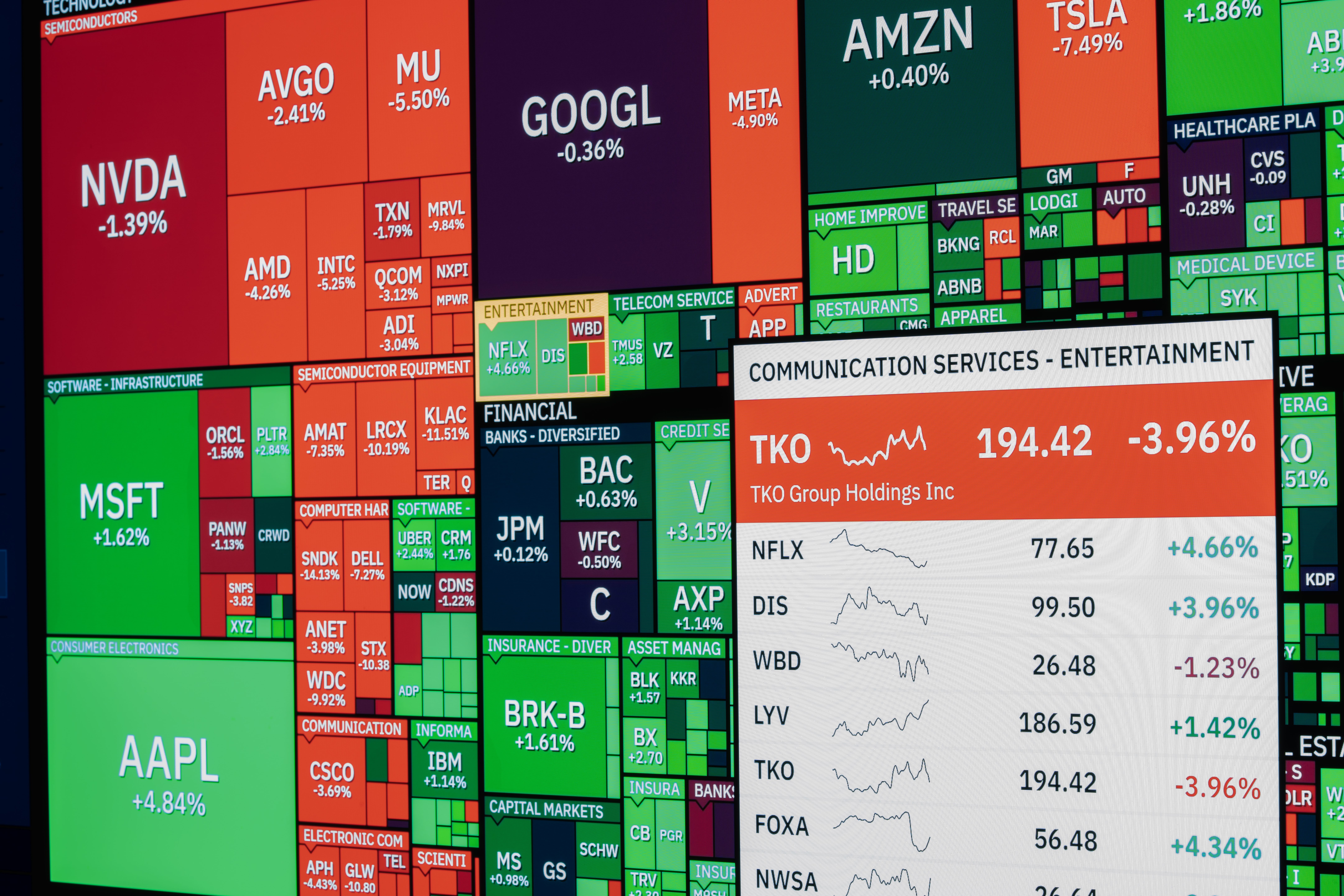
Global stocks rebounded as weak U.S. jobs data reduced expectations for a near term Fed rate hike, while oil prices near $100 a barrel kept inflation risks in focus.
Global markets began the week reassessing the outlook for U.S. interest rates after a much weaker-than-expected September jobs report cut expectations of an October Federal Reserve rate hike. Oil prices stayed near $100 a barrel, keeping inflation risks in focus.
U.S. nonfarm payrolls rose by just 29,000 in September, well below the 84,000 forecast, and the unemployment rate rose to 4.2%. The report's revisions cut a combined 60,000 jobs from earlier months, with July now showing a loss of 10,000 and August revised to a gain of 133,000.
The Fed raised its target range by 25 basis points to 3.75%-4.00% on September 16, in a unanimous vote. After the jobs data, CME's FedWatch tool put the chance of another hike at about 20%, down from about 65% a week earlier.
Related Article
Euro Falls to 17-Month Low as French Debt Fears Rattle Markets
Read how concerns over France's public finances and rising borrowing costs are adding to volatility across European currencies and bond markets.
On Friday the S&P 500 rose 0.73% and the Nasdaq Composite gained 1.19%. The Dow rose about 0.5% and the small-cap Russell 2000 added 0.9%. Despite the gains, the Dow and S&P 500 still finished the week lower, while the Nasdaq rose.
Lower rate expectations tend to support equity valuations. Borrowing costs become less restrictive for companies and households, and stocks look relatively more attractive than interest-bearing assets. The data offered relief after a stretch of pressure from elevated bond yields.
The reaction has not been uniform. U.S. stock futures were slightly lower early Monday as traders watched bond yields and oil, with the 10-year Treasury yield at about 5.28%. The 10-year yield dipped after the jobs data on Friday but finished the day near 5.26%.
In Europe, the STOXX 600 rose about 0.4% in early trading, snapping a three-week losing streak, while the CAC 40 was flat. The CAC 40 fell 2.24% last week, and the STOXX 600 fell 1.14%. French fiscal worries pushed the euro to a 17-month low.
Brent crude traded near $101.50 early Monday, after moving back above $100 last week on reports that a third U.S. carrier strike group was heading to the Middle East. Prices had topped $108 earlier in the week as hopes for U.S.-Iran negotiations faded.
Costly energy complicates the Fed's position. Higher transport and production costs can feed into consumer prices, making it harder to respond to a weakening labor market.
Related Article
UAE Plans $40 Billion Investment in Germany as Data Center and Energy Ties Expand
Explore how major investment commitments in European data centers and energy infrastructure are reshaping global capital flows and strengthening economic ties.
On Friday the G7 agreed to release 100 million barrels of oil and diesel through the International Energy Agency, to begin immediately over four months with a front-loaded diesel release in the first 20 days. Goldman Sachs estimates the release offsets only about half of the diesel price surge, and calls it an acceleration of supply already pledged rather than new intervention. It follows the IEA's 400-million-barrel release in March, about 80% of which has already been delivered.
Markets are balancing a labor market that is losing momentum against energy prices high enough to complicate the inflation outlook. The September Consumer Price Index is due October 14, and the October employment report on November 6. Those releases will shape the Fed's next move. Until then, oil and bond-market pressures keep the outlook sensitive to incoming data.
Other News
Top Stories- 1 Euro Falls to 17-Month Low as French Debt Fears Rattle Markets
- 2 U.S. Employers Add Just 29,000 Jobs in September as Unemployment Rises to 4.2%
- 3 Micron Posts Record $54.2 Billion Revenue as AI Memory Demand Drives Chip Boom
- 4 U.S. Treasury Yields Hit Highest Levels Since 2002 as Bond Selloff Deepens







Comments (0)
You must be logged in to post comments.
No comments yet. Be the first to start the conversation!