
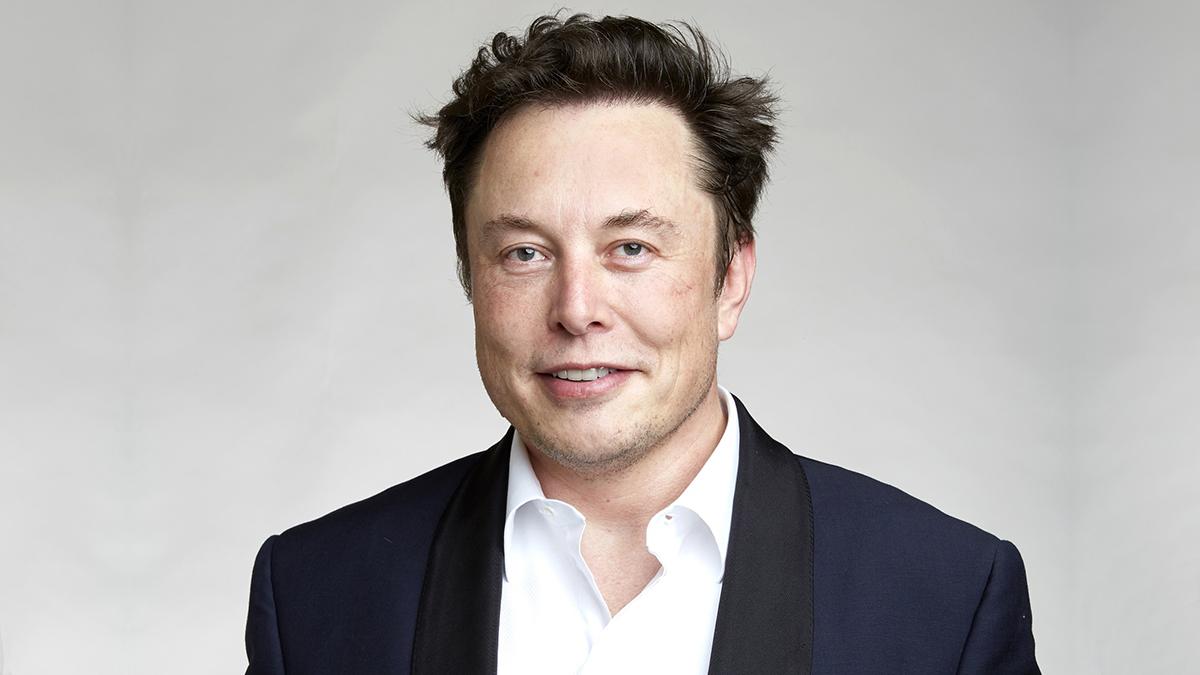
Elon Musk says he plans to give every American child one SpaceX share in 2027, a proposed giveaway estimated to be worth $10.5 billion, though key details remain unclear.
Elon Musk has announced plans to give every child in the United States one share of SpaceX next year, a pledge that could amount to one of the most unusual large-scale corporate giveaways ever proposed.
The SpaceX chief executive made the announcement Monday in a post on X, describing the initiative as the first of what he suggested would be multiple rounds of giving. However, Musk offered few details about how the shares would be distributed, who would qualify, or whether the plan would require additional approvals.
The financial implications are substantial. With approximately 72 million Americans under the age of 18 as of July 1, 2025, according to U.S. Census Bureau data cited in the report, fulfilling the pledge would require the distribution of roughly 72 million shares.
At a reference price of $146.03 per share, the proposed giveaway would have a national value of approximately $10.5 billion.
That figure represents an estimate based on the cited share price, not a guaranteed cash value. The ultimate value of any distributed shares would depend on the applicable share price, the rights attached to the shares, and the terms under which recipients could hold or sell them.
According to an August filing with the U.S. Securities and Exchange Commission, Musk owned approximately 4.8 billion SpaceX shares. Including unvested awards and stock options, his beneficial ownership rose to approximately 6.4 billion shares, representing a 48.4% stake.
Against that backdrop, transferring 72 million shares would represent a significant financial commitment, although a relatively small proportion of his reported beneficial ownership.
Musk has not publicly outlined an eligibility framework, explained whether parents or guardians would manage shares on behalf of minors, or specified whether the giveaway would involve existing shares, newly issued shares, or another ownership arrangement.
Those distinctions matter. A shareholding is not the same as an equivalent cash payment, and receiving private-company equity can involve restrictions on transfers, liquidity, and access to its underlying value.
Until SpaceX provides further information, the announcement should be understood as a stated intention rather than a fully detailed distribution program.
Related Article
Personal Finance Dashboard: A Simple Way to Track Your Budget, Savings, Debt and Net Worth
Explore how a structured financial dashboard can help you monitor your money, savings, debts and net worth.
The pledge also arrives amid a wider conversation about how wealthy technology companies should distribute some of the value they create.
Anthropic recently announced plans to commit an initial 5% stake in its company to a new public-benefit fund, subject to shareholder approval. The company also described a framework under which the stake could increase as its valuation rises, with the fund potentially supporting charitable donations and initiatives addressing the economic consequences of artificial intelligence.
Musk responded to Anthropic's announcement on X by arguing that shares should be given directly to the public. He subsequently said he would pursue that approach himself.
Anthropic's proposal centers on a dedicated fund that could support a range of public-benefit initiatives. Musk's stated plan, by comparison, would put equity directly into the hands of individual recipients, at least in principle.
The two approaches raise different questions about the purpose of corporate giving. A public-benefit fund can direct resources toward selected causes and programs, while a direct distribution gives recipients a more personal stake in a company's financial future, provided the shares can actually be transferred and held by them.
Related Article
Doing Business by the Good Book: 5 Lessons for Entrepreneurs
Read about business principles, responsible leadership and lessons entrepreneurs can apply when building sustainable companies.
According to the figures cited in the original report, he has contributed more than $276 million to Republican groups since July, making him the largest known donor in the 2026 midterm election cycle.
Among the reported contributions was a combined $158 million directed to the Senate Leadership Fund through an affiliated Texas political action committee established to support Republican Ken Paxton. The reported contributions of $75 million and $83 million rank among the largest political donations ever made.
These political contributions are separate from the proposed SpaceX share giveaway. Nevertheless, they illustrate the scale of Musk's financial influence across both the political and business landscapes.
The announcement also highlights a broader distinction between donating money to political organizations, supporting charitable institutions, and distributing ownership in a private company. Each approach carries different implications for accountability, control, and the ultimate beneficiaries.
SpaceX has not publicly outlined the mechanics of the proposed distribution in the information available for this report. The company would need to clarify how eligible children would be identified, how ownership would be transferred, what restrictions would apply, and how the program would be administered.
The announcement also leaves open questions about the timing of the giveaway and the legal and financial arrangements needed to carry it out.
If implemented at the scale described, the initiative could give millions of American children an ownership interest in one of the world's most prominent private space companies. But its real impact would depend on the rights attached to those shares and whether recipients could eventually realize their value.
For now, the headline figure is striking: an estimated $10.5 billion in shares intended for America's children.
The more consequential story, however, may be what the proposal reveals about the future of corporate ownership and wealth distribution. Musk has put direct public ownership at the center of the conversation. Whether that vision becomes a functioning program will depend on the details that have yet to emerge.
Stay Connected with CampbellStocks
Follow Business and Investment News on WhatsApp
Stay informed with CampbellStocks updates on African business, company developments, financial markets, investing and global business news. Join our WhatsApp channel to keep up with new stories.
Disclaimer: This article is for informational purposes only and does not constitute investment advice.
Other News
Top Stories- 1 Meta Plans Up to $95 Billion Stock Sale to Fund AI Push, Starting With $35 Billion
- 2 Audi to Build First U.S. Factory in Georgia in $4.2 Billion Investment
- 3 Sabic Third-Quarter Profit Rises 15% on Higher Prices and Investment Gains
- 4 The London Stock Exchange Group Agrees $3.54 Billion Deal for Octus, Its Biggest Acquisition Since Refinitiv



Comments (0)
You must be logged in to post comments.
No comments yet. Be the first to start the conversation!