
Doing Business by the Good Book Review: 5 Lessons for Entrepreneurs
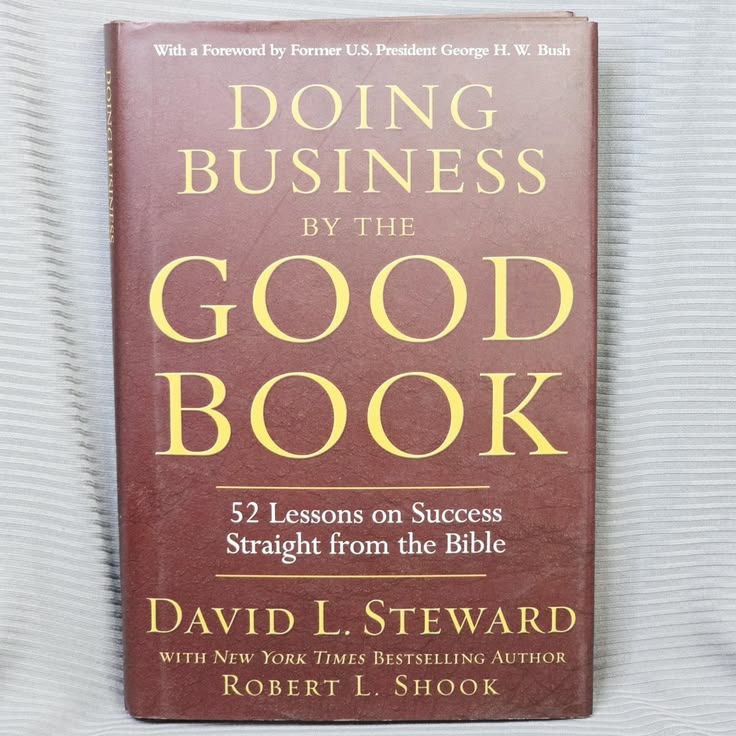
Can the Bible really guide how you build a business? In Doing Business by the Good Book: 52 Lessons on Success Straight from the Bible, entrepreneur David L. Steward and co-author Robert L. Shook argue that it can, and they make the case through Steward's own story.
Steward founded World Wide Technology (WWT) in 1990 on a shoestring budget and borrowed money, fully aware of how risky the venture was. He credits his faith with giving him the confidence to go ahead. WWT has since grown into a global technology company with annual revenue above $12 billion.
Check the price of Doing Business by the Good Book on Amazon →
What Is Doing Business by the Good Book About?
The book was first published in 2004 by Hachette Books. It is organized into 52 short lessons, each drawing on the Bible and applying it to a practical workplace question. The themes include integrity, leadership, teamwork, customer service, consistency, risk, and building relationships that last.
The approach is deliberate. Faith is not treated as something you leave at the office door. It is presented as a foundation for how you make decisions, treat people, and respond to pressure.
Five Lessons Worth Taking Away
1. Serve people before you chase profit
The book's strongest idea is that leadership is a form of service. Your employees, customers, suppliers, and partners all carry part of your success. When you put their interests alongside your own and give them real value, trust follows, and so does loyalty. That is slow to build and hard for competitors to copy.
2. Guard your reputation
Keeping your word, being honest when it costs you, and treating people fairly are what make a business credible. This lesson echoes Proverbs 22:1, which says a good name is more desirable than great riches. Money can arrive and leave quickly, but a reputation takes years to build and moments to damage.
3. Pair faith with hard work
Steward's own story shows faith and effort working together. Believing in a vision gives you the courage to start, but preparation, patience, and steady work are what carry it forward. The idea resonates with James 2:17, which says faith without action is dead. The takeaway for new founders is simple: believe it is possible, then do the work.
4. Make consistency part of your brand
Customers trust a business that delivers the same quality every time. A reputation is built from repeated actions, not from the occasional standout performance. Whether you sell products, offer a service, or run a tech company, being reliable is a genuine competitive advantage.
5. Build for the long term
Short-term wins are tempting, but lasting growth comes from strong relationships with employees, customers, and partners. The book encourages you to weigh each decision against the question of whether it will still look wise years from now, and to build around values that hold up under pressure.
Why This Book Is Worth Your Time
The book's main strength is how it connects spiritual principles to everyday business problems. The 52-lesson format also makes it easy to read one idea at a time, which suits a busy founder who wants a short reflection rather than a long commitment.
It will likely appeal most to Christian entrepreneurs, small-business owners, aspiring founders, and managers who want their values to shape how they lead.
Who This Book Is Not For
This is not a how-to manual for finance, marketing, or operations. If you want tactics, such as pricing models, ad funnels, or cash-flow templates, you will need other books alongside this one. It is also written from a Christian perspective, so readers who are not looking for a faith-based approach to business may find it less useful.
The Verdict
If you are curious how faith and business can work together, Doing Business by the Good Book is a thoughtful, encouraging read. Steward's career gives the lessons credibility, and the biblical framework gives you principles you can apply right away.
The central message is that success is about more than revenue. How you treat people, keep your promises, and respond to hard seasons matters just as much as what you earn. You don't need a large company to start. Serve your customers better, be more consistent, honor your commitments, and approach your work with purpose.
Read Doing Business by the Good Book on Amazon →
Affiliate disclosure: This article contains affiliate links. If you buy through them, I may earn a commission at no extra cost to you. It never affects my opinion of a book.
You Might Also Like