
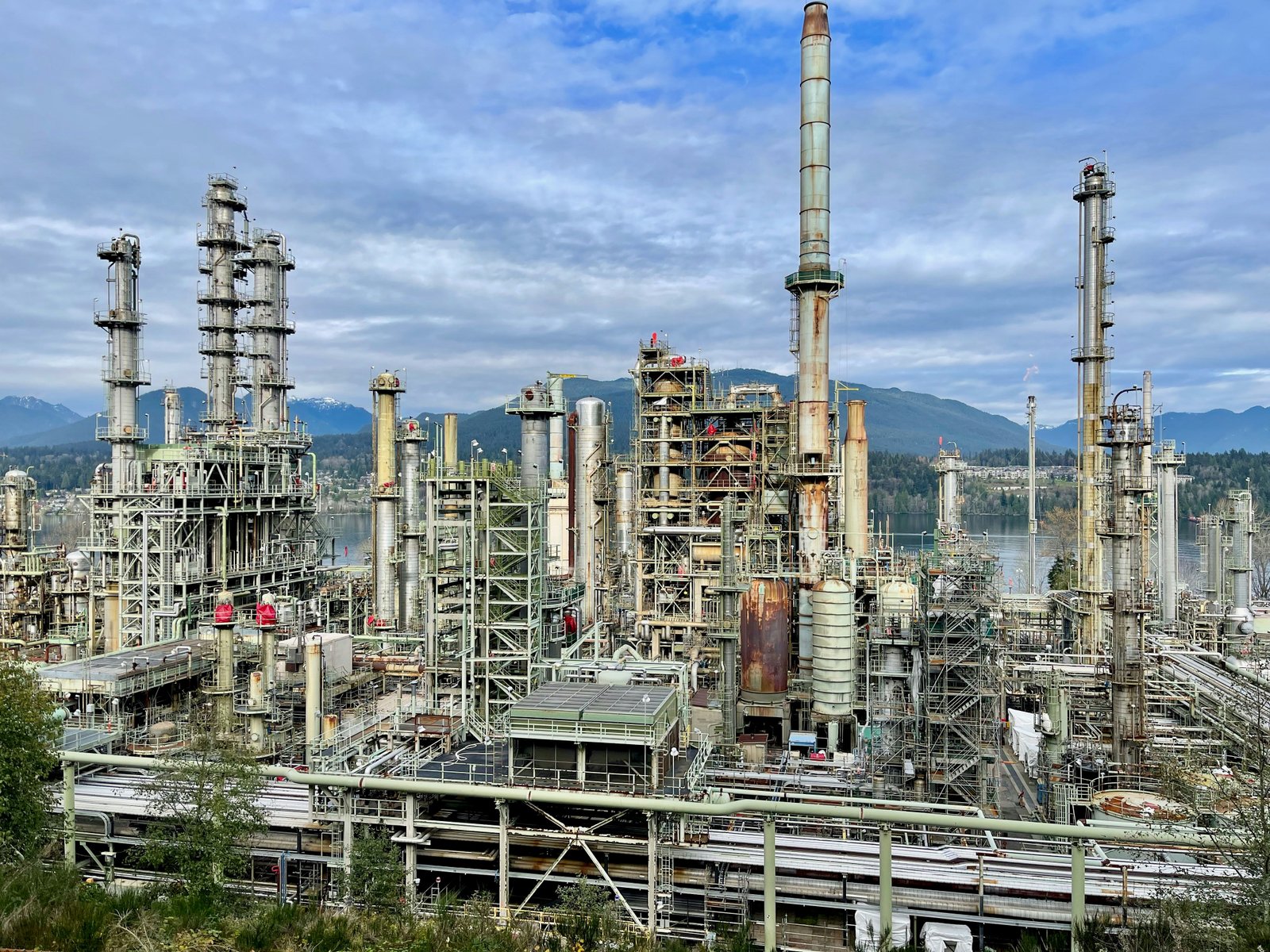
The Dangote Petroleum Refinery is set to make history on December 1, 2026, by listing on the Nigerian Exchange at ₦525 per share following a massively over-subscribed ₦5.85 trillion public offering approved by the SEC.
The Nigerian capital market is on the verge of its most monumental structural transformation in history. Following a highly anticipated regulatory breakthrough, Nigeria’s Securities and Exchange Commission officially approved the share allotment schedule for the Dangote Petroleum Refinery and Petrochemicals Initial Public Offering.
Following this definitive regulatory nod, Devakumar Edwin, Vice-President of Oil and Gas at Dangote Group, confirmed that shares of the Dangote Petroleum Refinery will officially commence trading on the Nigerian Exchange Limited on Tuesday, December 1, 2026. This debut completes Africa’s largest public share offering to date, bypassing initial December projections due to expedited technical and regulatory alignments by exchange regulators.
The baseline metrics of the public offering highlight unprecedented liquidity pulling into Nigeria's equities space. Priced at a fixed ₦525 per share, the refinery lands on the bourse with an estimated initial market valuation of ₦65.2 trillion, which translates to approximately forty-seven billion dollars.
Dangote Refinery originally hit the primary market seeking to raise roughly two trillion Naira by floating over four billion ordinary shares. The order books exploded with trillions of Naira in total bids from nearly four million applicants, signaling a massive demand roughly three times the initial base target. To absorb this capital influx and minimize excessive cash refunds, the company utilized its over-allotment provisions, upsizing the final allocation by over twenty-six percent to distribute over five billion shares to the public.
A granular review of the allotment matrix indicates that retail investors have been heavily protected, perfectly aligning with Aliko Dangote's marketing of the transaction as the People’s IPO. Every single retail applicant requesting anywhere from ten shares up to ten million shares received a one hundred percent full allocation of their requested stakes. In contrast, heavy pro-rata reductions were applied to the forty-one institutional applicants who bid for amounts above ten million shares. Unsuccessful or overfunded balances will trigger automated cash refunds processed within five business days.
This capital structuring dilutes early-stage positions but firmly anchors institutional and state stability. Direct ownership by Dangote Industries will pull back slightly to maintain absolute voting control while generating the public float required by listing rules, while the state-owned Nigerian National Petroleum Company Limited will see its early-stage equity position dilute down to approximately six and a half percent.
Upon the ring of the trading bell on December 1, Dangote Refinery will instantly become the most valuable listed company on the Nigerian Exchange. The systemic implications for local capital markets are profound, particularly regarding index weighting distortion. The sheer scale of a sixty-five trillion Naira asset entering the domestic market will heavily warp the All-Share Index.
When looking at how the exchange handles massive, era-defining listings, history shows a clear pattern of sustained upward momentum. When MTN Nigeria listed by introduction, it immediately faced a massive scarcity of shares because existing institutional holders refused to sell. The stock gained the maximum ten percent daily limit on its first day and continued to hit the upper limit for several consecutive trading days as fund managers scrambled for allocation. A similar trend was observed when Airtel Africa crossed onto the exchange, immediately gaining its maximum ten percent on day one driven purely by domestic institutional demand to match index weighting.
Nigerian Pension Fund Administrators, who manage over twenty trillion Naira in assets, face a structural dilemma because any fund manager who does not own this stock will automatically underperform the broader market benchmark if the stock rallies. Expect a classic supply squeeze on day one, heavily projecting the stock to close its first day of trading at the maximum limit with millions of unfilled buy orders carrying over.
This primary retail listing on the Nigerian Exchange Group is only the first phase of Dangote’s global capitalization architecture. The refinery’s management has already finalized distribution networks spanning the African continent, receiving multi-continental applications through cooperating regional bourses in Egypt, Kenya, and Southern Africa. The strategic framework maps out a public float expansion across several major African bourses to complement its growing physical export footprint of gasoline, jet fuel, and polypropylene across Sub-Saharan Africa.
Furthermore, Aliko Dangote has explicitly outlined plans to pursue a secondary listing on a United States stock exchange within the next two to three years. This international expansion will be timed to coincide with the refinery's upcoming expansion layout, which is designed to scale current operational processing limits to an absolute peak of nearly one and a half million barrels per day before the end of the decade.
This article is for general information and education only. It is not financial, investment, tax or legal advice. Markets carry risk, so do your own research or speak to a licensed adviser before you invest.
Other News
Top Stories- 1 Core PCE Inflation Climbs to 3.3% in October as U.S. Q3 GDP Surges to 4.3%, Sealing December Fed Rate Hike
- 2 U.S. Treasury Yields Edge Lower Ahead of Critical PCE Inflation Report and Holiday Closure
- 3 Dell Revenue Doubles to $54.9 Billion in Q3 as AI Server Backlog Surges to $132.3 Billion
- 4 Huawei Convicted on 10 Criminal Counts in Landmark U.S. Trial: Financial Fallout, RICO Acquittal, and Market Impact

Comments (0)
You must be logged in to post comments.
No comments yet. Be the first to start the conversation!