

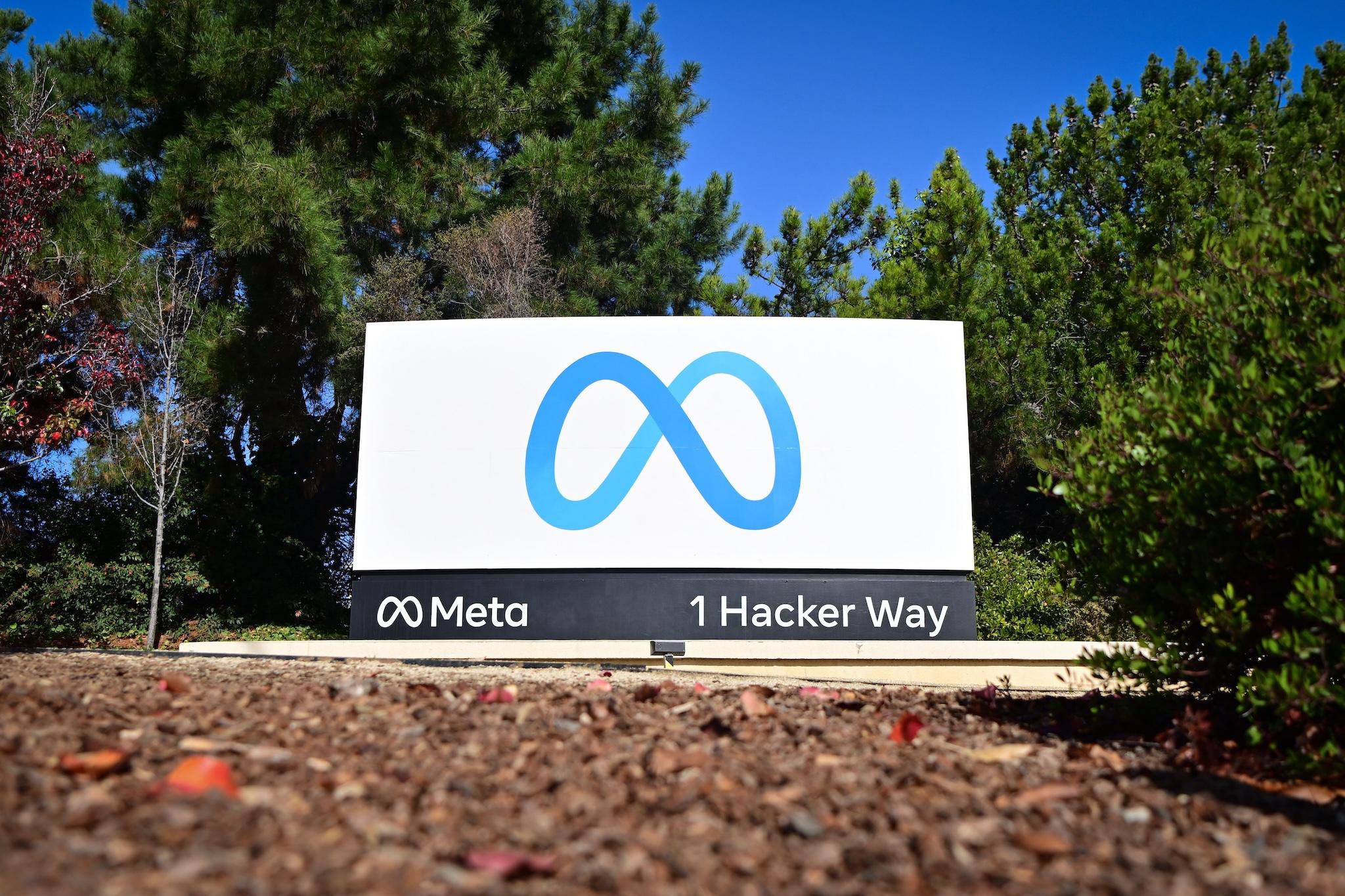
Meta has agreed to pay up to $18 billion to settle a case brought by 29 U.S. states over allegations that it misrepresented the mental health risks its platforms posed to children.
Meta Platforms has agreed to pay up to $18 billion and implement sweeping changes to Facebook and Instagram as part of a multistate settlement over allegations concerning the safety and treatment of children and teenagers on its platforms.
The settlement resolves claims brought by U.S. states alleging that Meta designed features on Instagram and Facebook that encouraged compulsive use among young users, exposed children to mental-health risks and misled users, parents and the public about the safety of its platforms. The states also accused Meta of improperly collecting personal information from children under 13 without the required parental consent.
The agreement was announced on August 26, 2026, as a federal trial involving Meta and state attorneys general was underway in Oakland, California. Reuters reported that the settlement brings an end to the high profile litigation involving 29 states, while the broader agreement covers a significantly larger coalition of states and U.S. territories.
Under the settlement, Meta could pay up to $17.1 billion over 10 years. The amount makes the agreement one of the largest state consumer-protection settlements involving a technology company. California alone is expected to receive between $1.5 billion and $2.1 billion if the settlement is approved.
READ ALSO
- Meta Faces Nearly $200 Billion in Potential Penalties as Instagram Chief Testifies
- Meta Faces Landmark Trial as 29 U.S. States Seek Changes to Facebook and Instagram
The financial payment is only part of the agreement. Meta will also be required to make significant changes to how Facebook and Instagram operate for younger users.
Among the measures are default daily time limits, overnight restrictions on social media use and enhanced parental controls. The agreement also requires stronger systems for determining users' ages and identifying children under 13 who are using the platforms.
The settlement further requires Meta to maintain, review and improve its existing teen content safety measures. The company must also introduce additional parental supervision tools and appoint an independent auditor with broad access to information needed to monitor compliance with the agreement.
Meta will also be prohibited from making false, misleading or deceptive statements concerning the safety features of its platforms, according to California's attorney general.
The settlement follows years of investigations and litigation over the effects of social media on children. Attorneys general began cooperating on investigations into major social-media companies in 2021, examining allegations that platforms were designed to attract and retain young users despite concerns about potential harms.
The original litigation against Meta was filed in 2023. The states alleged that the company knowingly designed features that promoted excessive use, improperly collected children's data and failed to adequately disclose the risks associated with Facebook and Instagram. The allegations included potential violations of the Children's Online Privacy Protection Act, as well as state consumer-protection and privacy laws.
The settlement also resolves separate claims concerning Meta's handling of Facebook users' nonpublic information and allegations involving third-party access to user data, including information connected to Cambridge Analytica.
The agreement represents a major development in the growing legal battle between U.S. regulators and social-media companies over youth safety. Meta is not the only technology company facing scrutiny, with similar litigation involving other major platforms including Snap, YouTube and TikTok.
The settlement still requires court approval before it becomes final. If approved, the agreement will impose financial obligations on Meta while requiring the company to make substantial changes to the way its platforms operate for children and teenagers.
For investors and the wider technology industry, the settlement could also have broader implications as governments increasingly seek to hold social-media companies accountable for the design of products used by younger audiences.





Comments (0)
You must be logged in to post comments.
No comments yet. Be the first to start the conversation!