

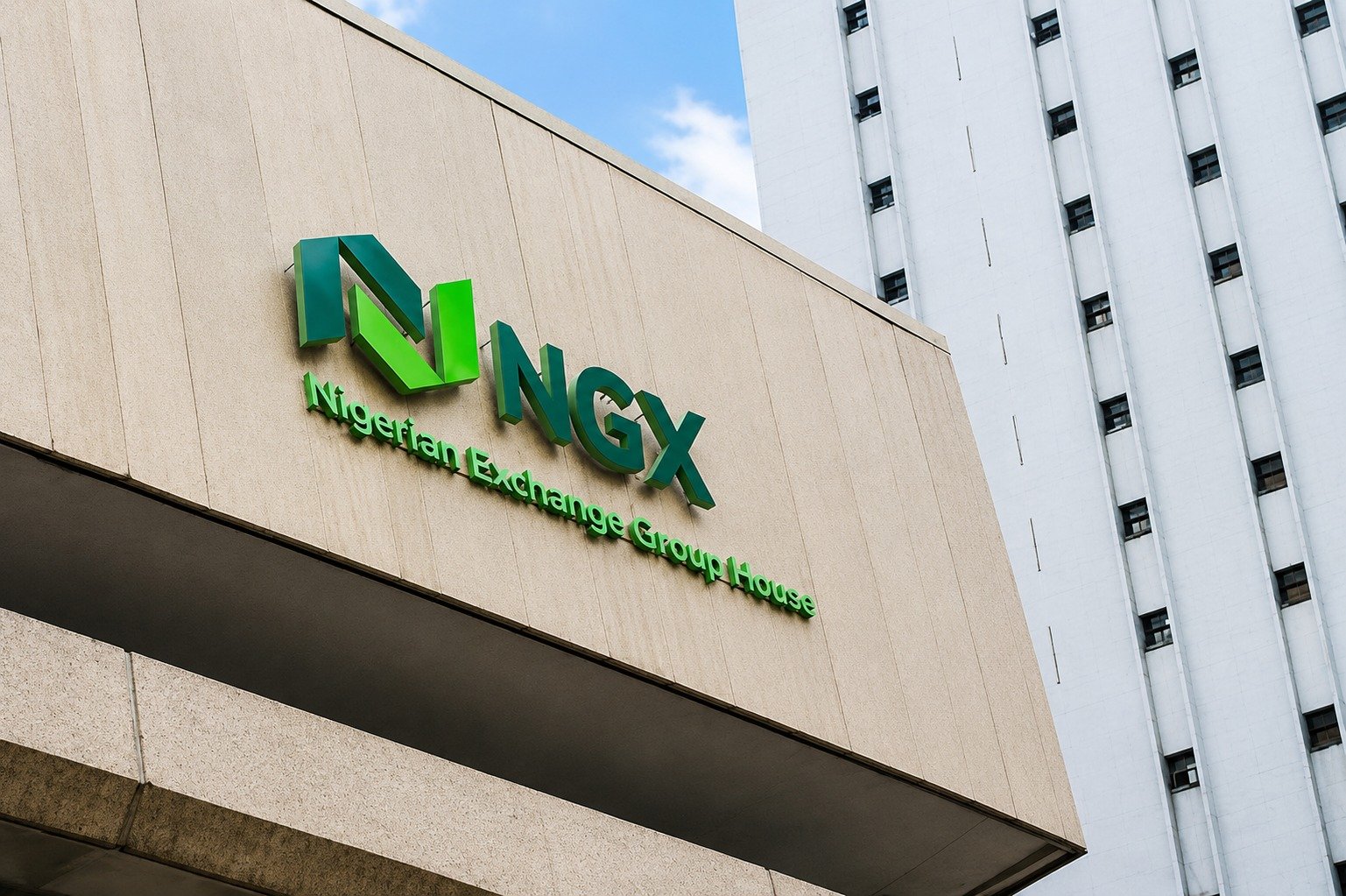
The FGSUK2032S7 bond dropped ₦12.80 per unit to close at ₦116.20 on the Nigerian Exchange as institutional investors shifted capital to higher-yielding assets. This sharp decline serves as a warning that sovereign bonds are vulnerable to capital losses if sold on the secondary market before their 2032 maturity.
For a long time, retail investors in Nigeria viewed sovereign fixed-income instruments, particularly investment vehicles such as Sukuk bonds, as an indestructible financial fortress. The narrative was simple: invest in a Federal Government security, collect predictable rental income through coupon payments and expect the principal to be repaid at maturity in accordance with the issue terms. However, on November 6, 2026, the secondary market delivered a sharp reminder that a bond's contractual payments and its market price are two different things. Amid heavy trading on the Nigerian Exchange (NGX), the Federal Government Sukuk Bond (FGSUK2032S7) fell by 9.92% in a single trading session, losing ₦12.80 to close at ₦116.20, down from its previous close of ₦129.00. While equity investors were focused on gains among insurance mid-cap stocks, the move in the fixed-income market raised questions for investors holding longer-dated sovereign securities. The decline is a useful reminder that investors need to look beyond the stated coupon rate. Interest-rate movements, market demand and the availability of buyers can all affect the price at which a bond can be sold before maturity. The source analysis identifies two possible market pressures behind the sell-off: the repricing of yields and limited liquidity in the secondary market. These factors can interact, particularly when large holders seek to sell substantial positions. In a higher-interest-rate environment, newly issued debt may offer more attractive yields than older securities with fixed payment terms. When investors can obtain higher returns from new issues or other placements, the market price of an existing bond may need to fall to make its remaining cash flows competitive. This can put pressure on older bonds. Institutional investors may rebalance their portfolios and sell existing holdings, even where doing so means accepting a capital loss, in order to redeploy funds into opportunities they consider more attractive. Not all securities trade with the same depth. Where a bond has relatively limited secondary-market activity, a large sell order may be difficult to absorb at the previous market price. If substantial quantities are offered for sale and there are not enough buyers at the prevailing price, sellers may have to accept lower bids to complete their transactions. That pressure can result in a sharp price adjustment and can affect smaller investors who continue to hold the security. The FGSUK2032S7 price movement highlights an important distinction for fixed-income investors: credit risk and market risk are not the same. Credit risk concerns whether the issuer meets its contractual payment obligations, including coupon or rental payments and principal repayment at maturity. Holding a bond to maturity does not remove sovereign or issuer default risk. Market risk concerns changes in the bond's tradable value before maturity. Interest rates, investor demand and market liquidity can cause the price to rise or fall, potentially resulting in a loss if an investor sells below their purchase price. For an investor who holds a bond until maturity, interim market-price movements may not directly change the contractual cash flows, provided the issuer fulfils its obligations and the investor's holding matches the relevant issue terms. However, an investor who needs to sell before maturity must accept the price available in the secondary market at that time. The ₦12.80 decline is a reminder that sovereign bonds are not immune to capital losses in the secondary market. Investors who may need quick access to their money should avoid treating longer-term fixed-income securities as though they were ordinary savings accounts. In a thin market, liquidity can become constrained and the price at which an investor enters a position may differ significantly from the price available when they want to exit. Before making a decision about FGSUK2032S7 or another fixed-income holding, review your investment horizon, the price you paid, alternative returns and access to emergency cash. The interactive checklist below can help structure that review. Open each step to reveal the question and considerations. Tick the box when you have completed your review. Do you need this cash before the bond's May 2032 maturity? What would you gain or lose if you sold at the available market price? Subtract your original purchase price from the current selling price to calculate the price difference per unit. Then account for transaction costs and any relevant accrued-interest adjustments. Multiply the per-unit difference by the number of units held to estimate the overall price gain or loss. Compare the result with the cash you would receive from the sale. Could the proceeds from a sale earn enough elsewhere to justify the change? Compare the potential return from an alternative investment with the cash flows you would give up by selling your existing bond. Consider the investment period, payment frequency, liquidity, transaction costs and the risks of the new instrument. A higher headline rate does not automatically mean a better overall outcome. Make sure the comparison uses equivalent periods and takes account of the different risks and terms. Are you relying on your bond portfolio for money you may need at short notice? Consider maintaining a separate cash reserve and assessing liquid options such as Treasury bills (T-bills) or money market funds. Review their access conditions, fees, risks and possible changes in value before investing. A dedicated emergency reserve can reduce the pressure to sell a longer-term bond during an unfavourable market period. This checklist is for educational and informational purposes only. It is not investment advice or a recommendation to buy, hold or sell a security. Confirm the bond's terms, current market price, available bids and transaction costs with an authorised broker or relevant market intermediary before acting.What Triggered the FGSUK2032S7 Price Decline?
1. The Yield Repricing Trap
2. The Secondary-Market Liquidity Squeeze
Credit Risk vs. Market Risk: What Bondholders Should Understand
Credit Risk
Market Risk
Should You Hold or Sell Your Fixed-Income Portfolio?
Interactive Checklist: Should You Hold or Sell?
1 Check Your Capital Horizon
2 Calculate Your Potential Capital Gain or Loss
These are price differences only, before transaction costs and any other adjustments.3 Compare Alternative Yield Opportunities
4 Review Your Emergency Reserves
This article is for general information and education only. It is not financial, investment, tax or legal advice. Markets carry risk, so do your own research or speak to a licensed adviser before you invest.
Other News
Top Stories- 1 Anthropic’s $1.4 Trillion Nasdaq Test Arrives as Wall Street Splits on AI Spending
- 2 Seplat’s ₦1,358.34/$1 Dividend Fixing Sparks a ₦328 Billion NGX Rebound
- 3 Why Wall Street Rewarded Wendy’s for Rejecting a $1.4B Buyout and Scaling Back Breakfast
- 4 How Microsoft’s 5-Hour Outage Disrupted OpenAI, Anthropic, and Corporate Earnings



Comments (0)
You must be logged in to post comments.
No comments yet. Be the first to start the conversation!