

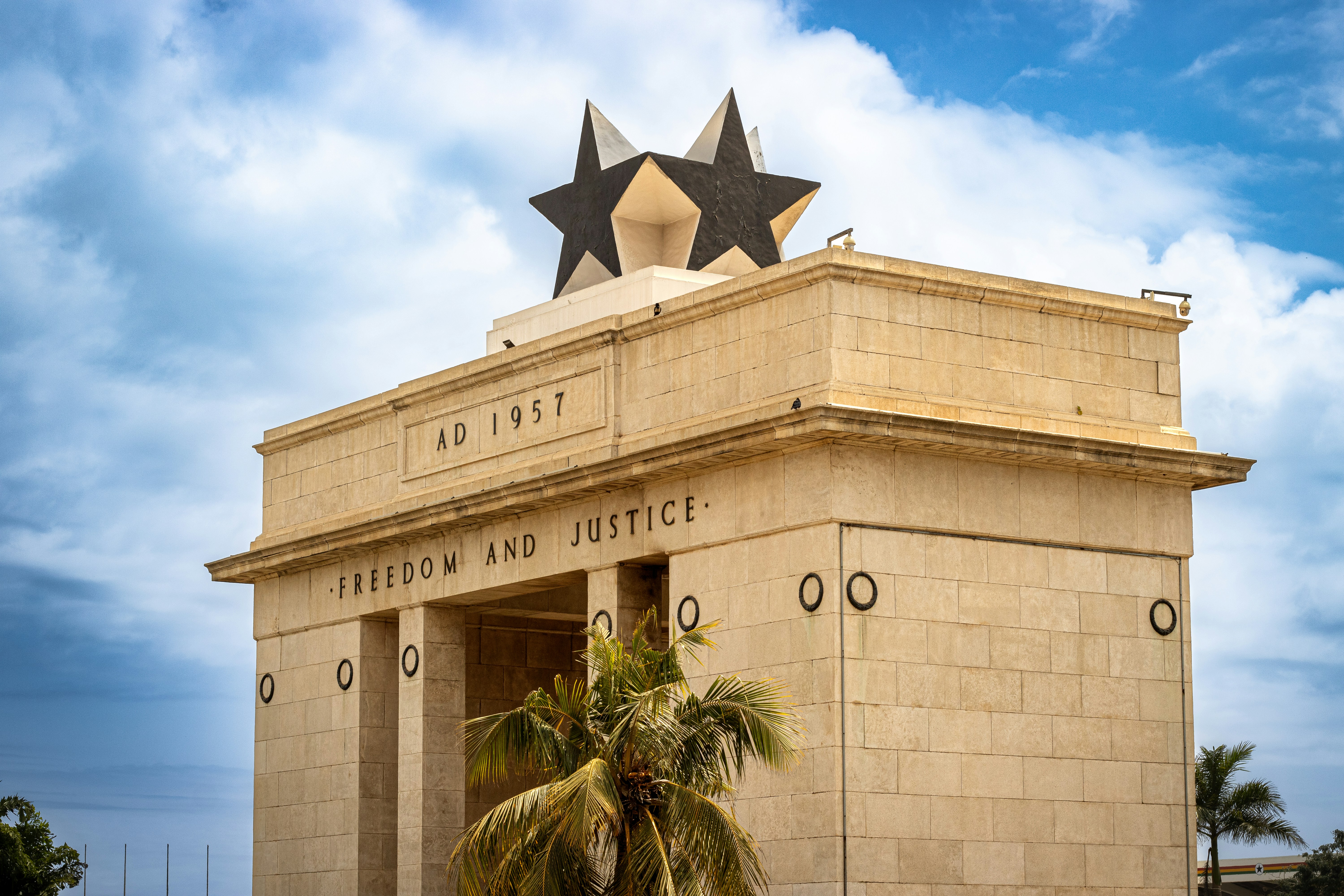
Ghana's economy has recorded its strongest growth since 2019, marking a significant recovery from the country's recent economic crisis. The World Bank says deeper structural reforms are needed to ensure stronger growth translates into productive jobs.
Ghana's economy has recorded its fastest growth since 2019, strengthening signs of recovery after years of economic pressure, but the World Bank says the country needs further structural reforms to turn higher output into more jobs and broader economic opportunities.
The World Bank has described Ghana's recovery as real and measurable but warned that it remains structurally incomplete and could be vulnerable to setbacks without continued reforms.
The bank's ninth Ghana Economic Update, titled “Running on a Treadmill: Diagnosing Ghana's Struggle to Turn Growth into Jobs and Opportunity,” focuses on the gap between economic expansion and employment creation.
According to the World Bank, Ghana's challenge is not simply to maintain economic growth but to ensure that growth is increasingly driven by productive private sector activity capable of absorbing the country's expanding workforce.
The bank has called for improvements to the business environment, infrastructure and the digital economy, while highlighting the need to address problems in key sectors including energy and cocoa. These reforms, it says, are important for supporting private-sector investment and reducing fiscal risks.
Ghana's working-age population is expected to increase substantially over the coming decade. The World Bank sees this as an opportunity for stronger economic development, but only if the economy can generate enough productive employment for new entrants to the labour market.
The bank has also stressed the importance of structural transformation, including moving workers toward higher-productivity businesses and sectors. It has identified areas such as ICT and business services as potential sources of higher-quality employment, alongside greater technology adoption and investment in digital skills.
The warning comes as Ghana continues its recovery from the severe economic and fiscal pressures that culminated in its debt restructuring and an International Monetary Fund-supported adjustment programme.
The World Bank's assessment therefore presents Ghana's recent growth as an important improvement, but not the end of the country's economic challenges. Sustaining the recovery will depend on strengthening fiscal discipline, improving the conditions for private investment and ensuring that economic expansion generates more productive employment.
For Ghana, the central challenge now is to convert stronger headline growth into higher productivity, better paying jobs and wider economic opportunity.




Comments (0)
You must be logged in to post comments.
No comments yet. Be the first to start the conversation!