

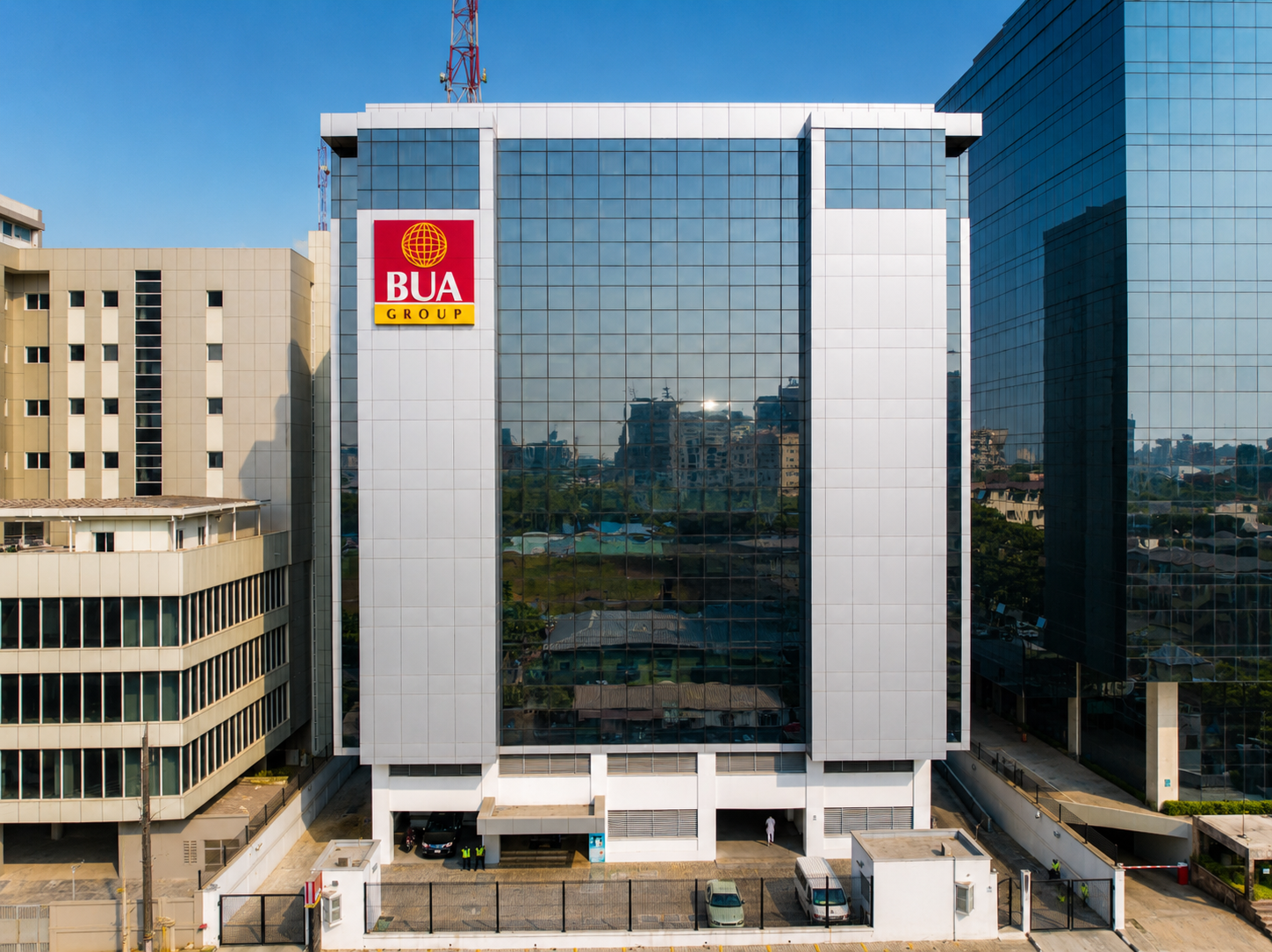
BUA Foods Plc reported its highest first-half profit in five years, as disciplined cost management and operational efficiency offset weaker sales. Although revenue declined 16% year over year, the company expanded profit margins, improved operating performance, and strengthened its balance sheet, underscoring its resilience amid Nigeria's challenging business environment.
BUA Foods Plc delivered its strongest first-half profit performance in five years, demonstrating resilience in a challenging operating environment as effective cost management and improved operational efficiency offset a decline in revenue. According to the company's unaudited financial results for the six months ended June 2026, net profit increased 12% year over year, even as revenue fell 16% to ₦765.1 billion, compared with ₦912.5 billion recorded during the corresponding period in 2025. The performance reflects the company's ability to protect profitability despite softer sales across its product portfolio, highlighting the importance of cost discipline as Nigerian manufacturers continue to navigate inflationary pressures, high energy costs, and broader economic uncertainty. The decline in revenue was driven by lower sales across the company's major product categories. Maize recorded the steepest decline, with revenue dropping from ₦3.7 billion in the first half of 2025 to zero during the same period this year. While the company did not provide detailed explanations for the decline in individual product lines, the weaker sales contributed to overall revenue contraction. Despite lower turnover, BUA Foods succeeded in improving profitability through tighter expense management and operational efficiencies. Gross profit rose 7% year over year as the company significantly reduced its cost of sales, which declined 29% compared with the previous year. Commenting on the results, Managing Director Ayodele Abioye said the company remained focused on operational efficiency while adapting to difficult market conditions. According to Abioye, the first-half performance reflected disciplined cost management, improvements across the supply chain, and a more optimized product portfolio. He noted that although revenue declined by 16%, the company expanded its margins and delivered double-digit growth across key financial indicators, highlighting the strength of its business model and execution strategy. Looking ahead, management said its priority for the second half of the year will be translating operational improvements into stronger sales volumes while preserving the profitability gains achieved during the first six months. BUA Foods also reported significant improvements in its financial position. Total assets increased 20% year over year to ₦1.67 trillion, compared with ₦1.33 trillion in the corresponding period of 2025. The increase was primarily driven by higher amounts due from related companies and growth in short-term deposits. Meanwhile, total liabilities rose only 3%, reflecting increases in income tax obligations and short-term borrowings. Shareholders' equity strengthened considerably, rising 41% to ₦1.01 trillion from ₦689.13 billion a year earlier, supported largely by higher retained earnings. The stronger equity position further reinforces the company's financial stability as it continues investing in long-term growth. BUA Foods ended the first half with ₦145.24 billion in cash and cash equivalents, representing a 314% increase from the previous year. Operating activities generated ₦162.18 billion in cash during the period, more than covering ₦15.27 billion spent on investing activities and ₦32.41 billion used in financing activities. The stronger cash position provides the company with additional financial flexibility to fund operations, support capital investments, and manage potential economic headwinds. BUA Foods continues to hold its position as the largest food and fast-moving consumer goods (FMCG) company by market capitalization on the Nigerian Exchange (NGX). Its shares have gained approximately 5.78% since the beginning of the year and were trading at ₦845.10 following the release of the financial results. For investors, the company's ability to expand margins, improve operating profit, and strengthen its balance sheet despite weaker sales demonstrates resilience in an economic environment marked by elevated operating costs and persistent inflation. The focus now shifts to whether BUA Foods can convert its improved operational performance into renewed revenue growth during the second half of the year while maintaining the profitability gains achieved in the first six months.







Comments (0)
You must be logged in to post comments.
No comments yet. Be the first to start the conversation!