

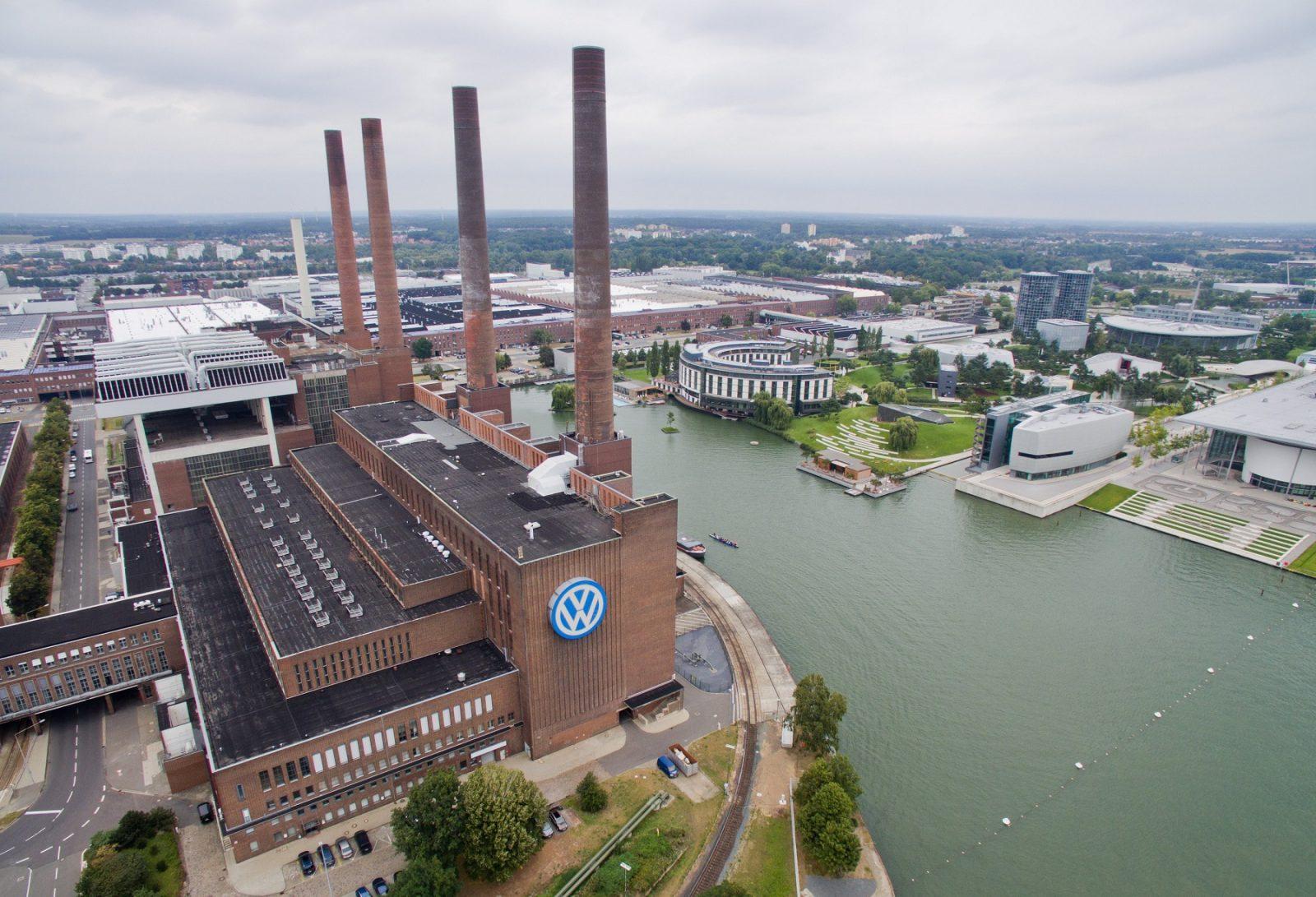
Volkswagen has approved plans to eliminate an additional 50,000 jobs as part of its biggest restructuring in the company’s history, intensifying efforts to reduce costs and address competition from Chinese automakers and higher U.S. tariffs. The German carmaker’s shares jumped about 6% on Friday as investors welcomed the agreement.
Volkswagen plans to cut an additional 50,000 jobs as part of a sweeping restructuring aimed at improving the competitiveness and profitability of Germany’s largest automaker.
The company’s supervisory board approved the transformation plan on Thursday, ending weeks of uncertainty over the proposed cost reductions. The additional cuts would bring the total number of jobs targeted under Volkswagen’s restructuring to about 100,000.
Investors responded positively to the agreement. Volkswagen shares rose about 6% on Friday, making the stock one of the strongest performers on Germany’s DAX index. The broader European auto sector also gained following the announcement.
READ ALSO;
The restructuring comes as Volkswagen faces pressure from intense competition from Chinese automakers, weaker demand in China and higher U.S. tariffs on vehicles imported from Europe. The company has also been dealing with excess production capacity across its operations.
As part of the plan, Volkswagen is considering the future of four German plants in Emden, Zwickau, Neckarsulm and Hannover. The company expects some of the facilities to lose vehicle production assignments in the 2030s as it addresses excess capacity.
Volkswagen also plans to reduce its vehicle portfolio by roughly half and simplify its product range. The company is targeting an operating margin of 9% by 2030, compared with 3.8% in the first half of 2026.
The financial pressure behind the restructuring has intensified. Volkswagen’s first-half profit fell 31% to €3.1 billion, according to AP, as the company dealt with challenges including weaker Chinese demand and U.S. tariffs.
Analysts have viewed the agreement as a significant step toward addressing Volkswagen’s cost problems and restoring competitiveness. The decision could also have a broader “halo effect” for Germany’s auto industry by demonstrating that major manufacturers can reach agreements on difficult restructuring measures.
However, the implementation of the job reductions and the future of the affected German plants remain subject to further negotiations.




Comments (0)
You must be logged in to post comments.
No comments yet. Be the first to start the conversation!