

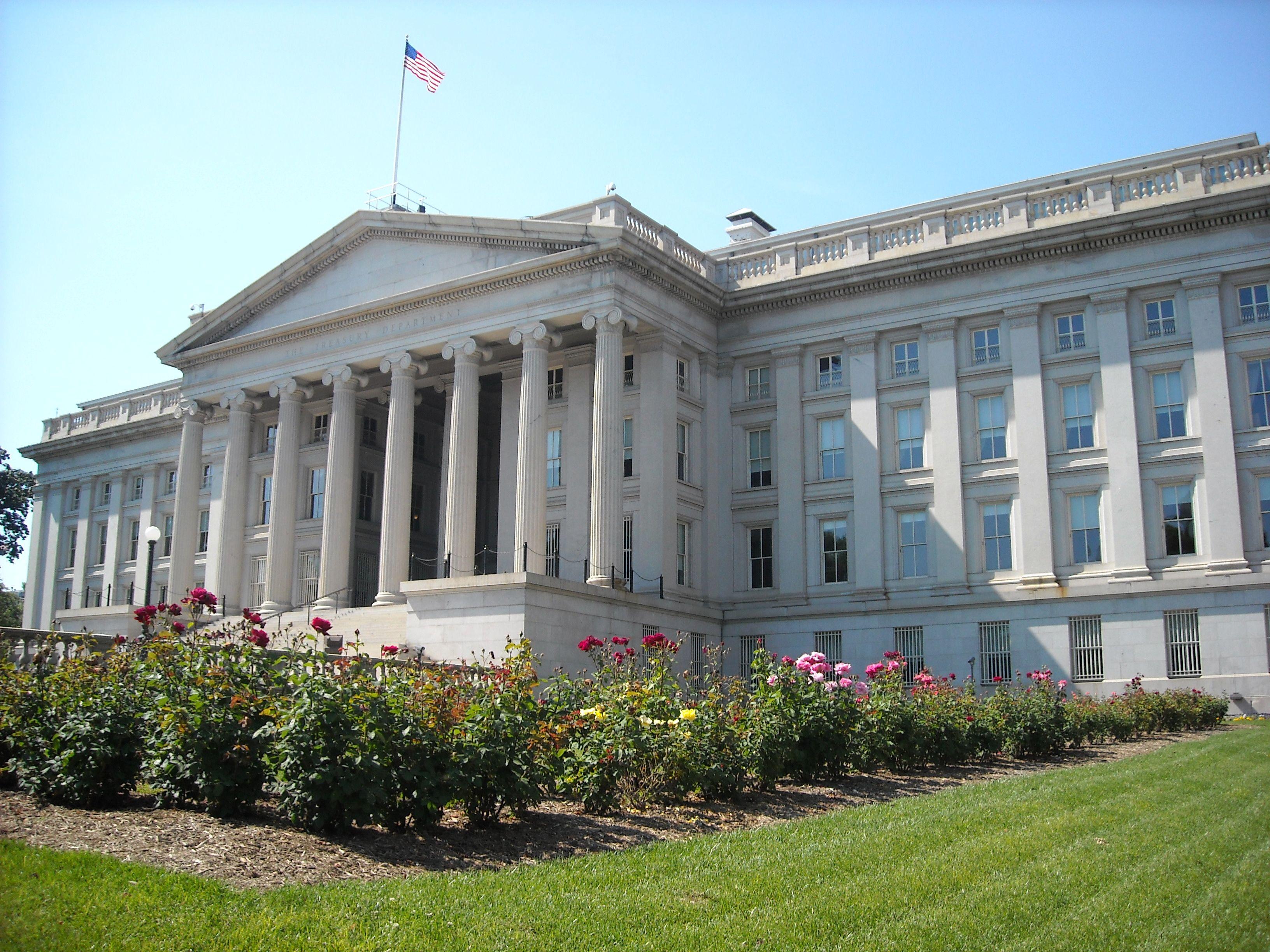
The U.S. 10-year Treasury yield has moved close to 5% as a global bond selloff intensifies, with surging oil prices adding to inflation concerns and increasing expectations for higher interest rates. The rise in borrowing costs has spread across major government bond markets, putting investors on alert ahead of key U.S. inflation data and the Federal Reserve's next policy decision.
The U.S. 10-year Treasury yield approached the closely watched 5% threshold on Friday as a global bond selloff intensified, driven by rising oil prices, renewed inflation concerns and growing expectations that central banks may need to keep interest rates higher for longer.
The benchmark U.S. Treasury yield climbed as high as 4.979% in early Asian trading, its highest level since late 2023, according to Reuters. The move came as Brent crude approached $110 a barrel amid continuing disruptions and uncertainty surrounding oil supplies from the Middle East.
The increase has not been limited to the United States. Ten-year government bond yields across the Group of Seven economies have risen by an average of nearly 19 basis points this week, according to Reuters. Two-year yields, which are particularly sensitive to expectations for monetary policy and inflation, have increased by an average of about 22 basis points.
Rising energy prices have become a major concern for investors because higher oil costs can feed into transportation, production and consumer prices. That could make it more difficult for central banks to lower interest rates and, in some cases, could force policymakers to consider additional rate increases.
Markets have increased their expectations for a Federal Reserve rate hike at its meeting next week after U.S. producer-price data showed continued inflationary pressure in August. Reuters reported that market-based expectations for a rate increase had risen to about 72%.
The bond-market move also reflects concerns about government borrowing. Investors are demanding higher returns to hold government debt as fiscal deficits remain elevated across several major economies. Higher yields mean governments face increased borrowing costs when they issue new debt or refinance existing obligations.
For consumers and businesses, rising Treasury yields can have broader consequences because government bond yields serve as important benchmarks for other borrowing costs. Higher yields can contribute to more expensive mortgages, auto loans, corporate debt and municipal borrowing.
The 5% level is also being closely watched by equity investors. A sustained move above that threshold could make government bonds more attractive relative to stocks, potentially affecting valuations in equity markets. Reuters noted that the 10-year Treasury yield has spent little meaningful time above 5% since 2002, apart from brief periods in late 2023 and in 2006 and 2007.
The bond selloff comes as oil prices remain elevated because of the ongoing Middle East conflict and concerns over disruptions to global energy supplies. The combination of higher energy prices, inflation risks, central-bank policy expectations and government borrowing has created a difficult environment for fixed-income markets.
Investors are now awaiting U.S. consumer-price data for August, which could provide further evidence about the direction of inflation and influence expectations for the Federal Reserve's policy decision.
A sustained increase in Treasury yields would raise financing costs across the economy, while a moderation in oil prices or weaker inflation data could ease some of the pressure on bond markets.








Comments (0)
You must be logged in to post comments.
No comments yet. Be the first to start the conversation!