
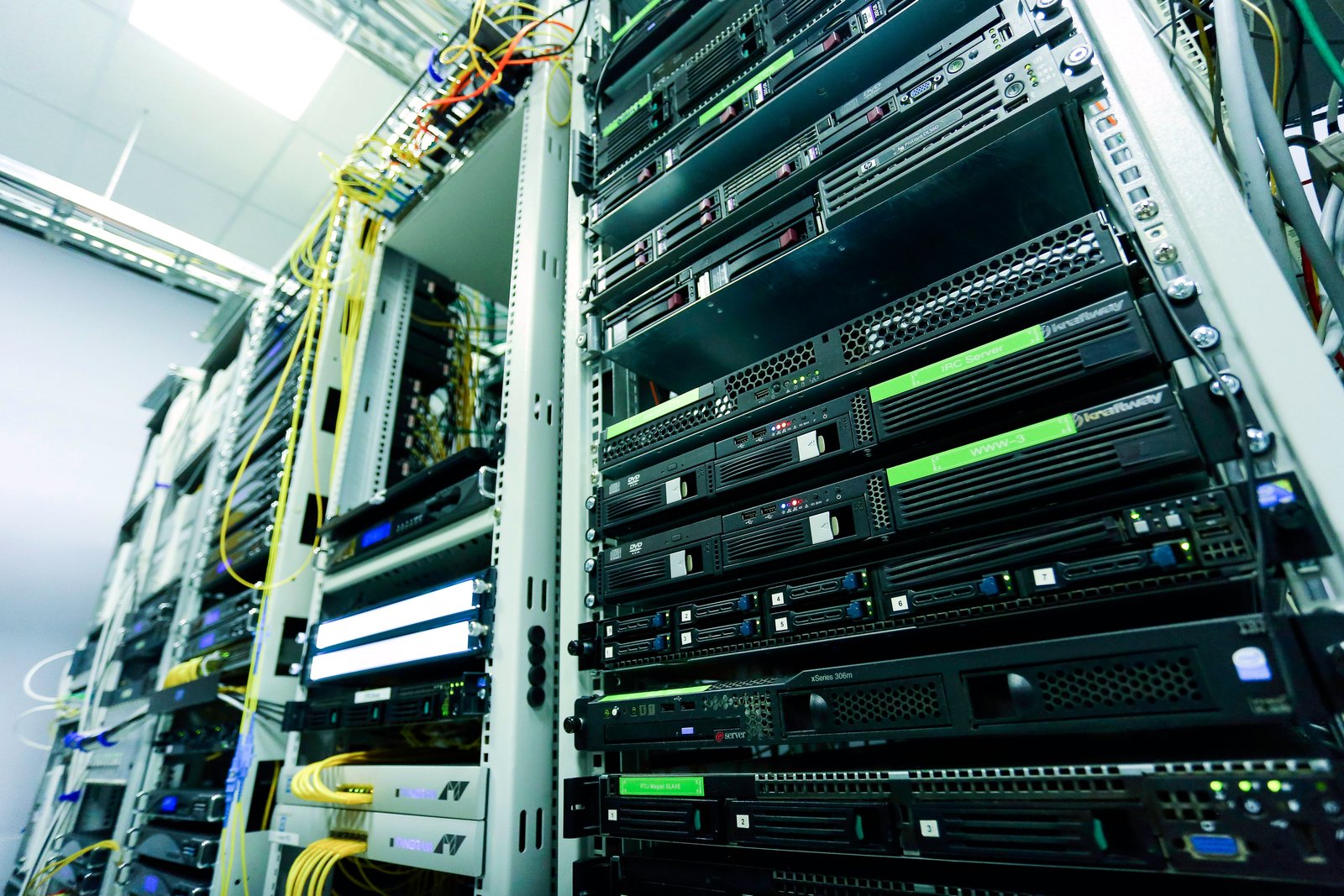
The massive capital expenditure boom for AI data centers is driving historic corporate bond volumes, crowding out traditional non-tech issuers. This price-inelastic spending serves as a powerful macroeconomic anchor, forcing central banks to keep global interest rates elevated to cool the broader economy.
When the U.S. Bureau of Labor Statistics (BLS) reported a blowout 165,000 job additions for October 2026, mainstream financial commentators breathed a collective sigh of relief. The figures appeared to reinforce the view that the global economy was comfortably absorbing labour within a stable "low-hire, low-fire" market structure, despite years of restrictive monetary policy. The payroll rebound is examined in our previous report, U.S. Payrolls Rebound Sharply in October, Blowing Past Estimates by 100,000. Yet beneath the surface of these resilient labour-market figures lies a massive, capital-intensive engine that traditional economic models may be failing to fully account for. While public attention remains focused on chatbots and generative AI software, corporate finance desks are tracking something far more tangible: the relentless expansion of data-centre infrastructure. The enormous capital expenditure (CapEx) required to construct hyperscale data centres, secure dedicated power supplies and expand fibre networks has evolved from a technology-sector development into a significant macroeconomic force. This infrastructure boom is increasing demand for financing and may be contributing to pressure on global borrowing costs, while making it harder for traditional corporate borrowers to compete for capital. To understand how the corporate financing landscape is changing, it is important to examine the scale and speed of capital being directed towards technology infrastructure. Labour and financing indicators cited in the third quarter of 2026 offer an illustration of this shift. This is not simply a speculative technology story driven by software expectations. It is also a physical infrastructure expansion involving construction, specialised equipment, electricity generation and transmission, and telecommunications networks. The resulting demand for capital creates two important macroeconomic pressures that could reshape the global financial landscape. To finance the enormous quantities of specialised servers, advanced cooling systems and power infrastructure required for artificial intelligence, major technology companies and infrastructure investment funds are turning to capital markets to secure substantial funding. This is creating the conditions for a classic crowding-out effect in debt markets. In September 2026, Indeed's data-centre postings index reportedly climbed to 247 against its historical baseline, pointing to the rapid expansion of construction and operational activity associated with the sector. Fixed-income investors have finite pools of capital to allocate. As technology companies and infrastructure projects seek large amounts of financing, their bond issuance can absorb a greater share of available investor demand. Traditional non-technology businesses, including manufacturers, retailers and consumer-goods companies, may consequently face stronger competition for funding. Depending on market conditions, this competition can increase borrowing costs or make access to financing more difficult. For central bankers at the Federal Reserve and other monetary authorities, the infrastructure spending boom presents a complicated policy challenge. Traditionally, higher interest rates are intended to moderate inflation by discouraging borrowing and slowing consumer and business spending. However, some of the largest technology companies pursuing artificial intelligence infrastructure expansion may be less sensitive to higher financing costs than businesses operating in more rate-sensitive sectors. For these companies, delaying infrastructure investment could carry strategic costs. The race to secure computing capacity, data-centre facilities and reliable electricity supplies may therefore continue even when borrowing becomes more expensive. This does not mean technology companies are completely unaffected by interest rates. Higher financing costs still influence investment decisions and project economics. Nevertheless, the strategic importance of infrastructure expansion may make some spending more persistent than conventional monetary-policy models would suggest. The result is a potential source of continued demand for capital at a time when central banks are attempting to restrain broader economic activity. This could complicate efforts to bring inflation under control and contribute to a higher-for-longer interest-rate environment. The central issue is not simply how much technology companies are spending. It is how their demand for financing interacts with the borrowing needs of the wider economy and the monetary policies designed to control inflation. The implications extend beyond technology companies. Manufacturers, retailers, consumer businesses and other traditional corporate borrowers must operate in a financing environment where large infrastructure projects are competing for investor capital. When financing demand is strong and available capital is constrained, businesses may face more expensive debt issuance, tougher lending conditions or greater pressure to demonstrate the strength of their cash flows and balance sheets. Corporate treasurers may therefore need to place greater emphasis on refinancing plans, debt maturity management, liquidity reserves and the timing of new borrowing. Businesses that depend heavily on external financing could be particularly exposed if elevated interest rates persist. The primary lesson for corporate executives, treasury departments and business leaders is that the global financing landscape is changing. The cost of capital is influenced by more than consumer demand and conventional business investment. The physical infrastructure supporting the digital economy is creating another significant source of demand for financing. As major technology companies and infrastructure investors continue their race to expand AI computing capacity, electricity networks and data-centre facilities, their financing requirements will remain an important factor for global capital markets. Business leaders should therefore be cautious about assuming that corporate borrowing costs will quickly return to their previous lows. Companies are increasingly competing not only with direct industry rivals for capital, but also with the enormous infrastructure investment supporting the next phase of technological development.1. Crowding Out the Debt Markets
2. The Federal Reserve's Unintended Policy Anchor
This article is for general information and education only. It is not financial, investment, tax or legal advice. Markets carry risk, so do your own research or speak to a licensed adviser before you invest.
Other News
Top Stories- 1 Anthropic’s $1.4 Trillion Nasdaq Test Arrives as Wall Street Splits on AI Spending
- 2 Seplat’s ₦1,358.34/$1 Dividend Fixing Sparks a ₦328 Billion NGX Rebound
- 3 Why Wall Street Rewarded Wendy’s for Rejecting a $1.4B Buyout and Scaling Back Breakfast
- 4 How Microsoft’s 5-Hour Outage Disrupted OpenAI, Anthropic, and Corporate Earnings







Comments (0)
You must be logged in to post comments.
No comments yet. Be the first to start the conversation!