


New Zealand's government plans to introduce legislation that would prevent children under 16 from accessing high risk social media platforms and require companies to verify users' ages. Platforms that fail to meet their obligations could face penalties of up to 10% of global revenue, while the proposal faces opposition from coalition partners.
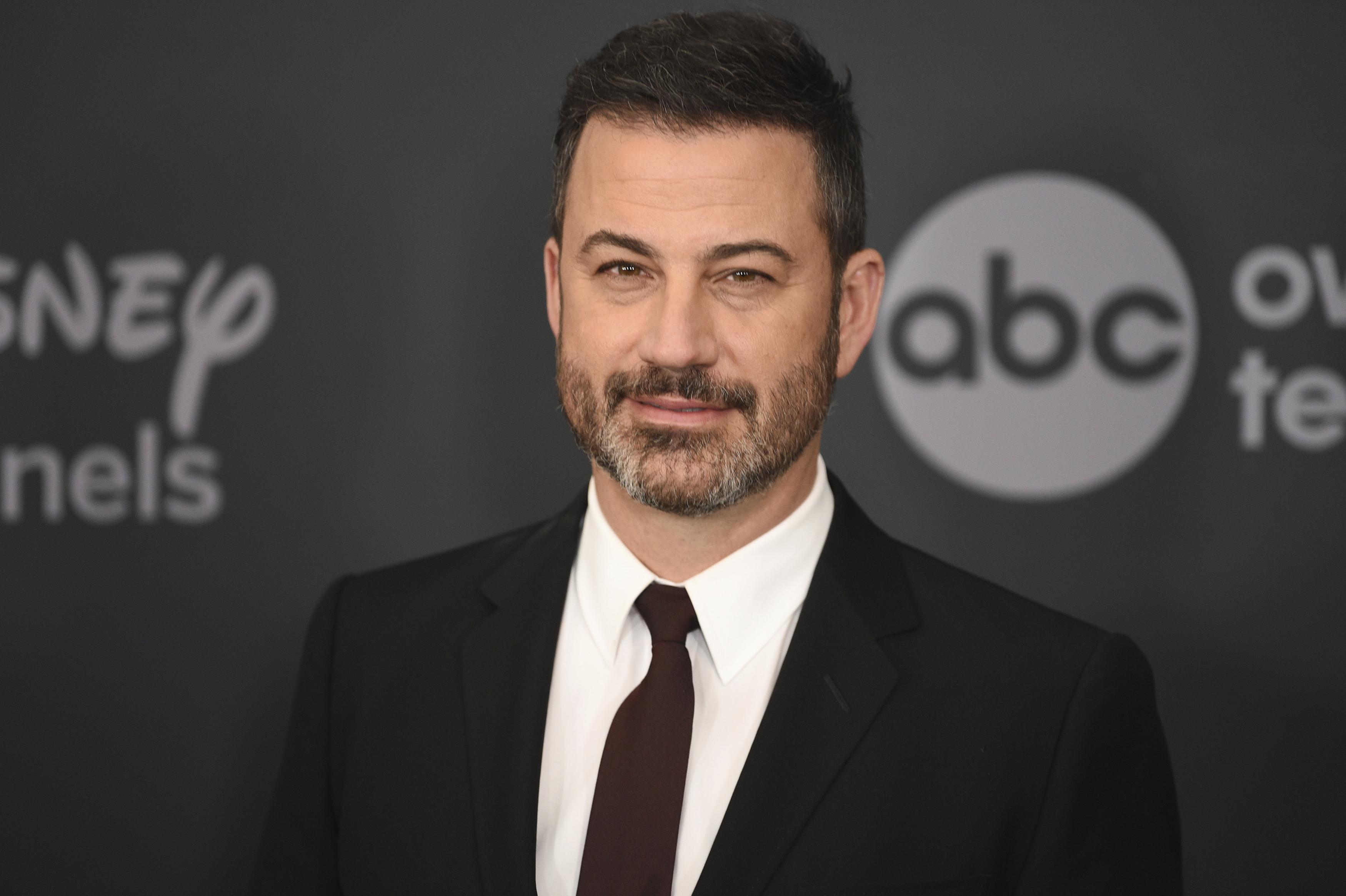
New Zealand Prime Minister Christopher Luxon said his National Party will introduce legislation seeking to ban children under 16 from using social media platforms, putting greater responsibility on technology companies to prevent underage access.
Prime Minister Christopher Luxon said the proposed law is intended to protect children from harmful online content and the effects of excessive social media use. The government's official announcement said platforms including Instagram, TikTok, Snapchat and Facebook would be required to take reasonable steps to verify that users are at least 16 years old.
The proposed Online Safety (Minimum Age and Child Safety Risk Assessment) Bill would allow platforms to use several methods for age verification, including existing account information, facial age estimation, digital identity services and formal identification documents.
Companies that fail to comply could face penalties of up to 10% of their global revenue, making the proposed fines significantly larger than a fixed monetary penalty. The legislation would also require platforms used by children to assess the risks they pose and report on measures taken to reduce those risks.
The proposal would not impose penalties on children or their parents. Instead, the legal obligations would fall on the technology companies operating the platforms. The government also plans to establish an online safety regulator within the Department of Internal Affairs to monitor compliance and enforce the rules.
Luxon said the government could not accept what it considers the harm being caused to a generation of New Zealand children. He cited government figures indicating that one in three children aged 13 to 17 spends at least five hours a day on social media.
The proposal is already facing political opposition. New Zealand First, one of the government's coalition partners, has said it will not support the legislation. Leader Winston Peters argued that keeping children off social media should remain primarily a parental responsibility and criticized Australia's experience with similar restrictions.
The ACT Party, another coalition partner, has also opposed the proposal, leaving its passage through Parliament uncertain. The opposition Labour Party had not committed to supporting the legislation at the time of the announcement.
New Zealand's proposal follows Australia, which became the first country to introduce a nationwide minimum-age restriction on social media for children under 16 in December 2025. The move has since contributed to a wider international debate over children's online safety, age verification, privacy and the responsibilities of technology companies.
Luxon acknowledged that enforcement would not be straightforward and that some children would find ways around the restrictions. Nevertheless, he argued that the government should attempt to establish a minimum age for social media access because of the potential risks to children.
The proposal faces significant political hurdles. Both coalition partners, New Zealand First and ACT, have said they oppose the legislation, meaning it would need support from opposition lawmakers to advance. The bill is also not expected to reach its first reading before Parliament rises ahead of the November election.





Comments (0)
You must be logged in to post comments.
No comments yet. Be the first to start the conversation!