

If you want to avoid the phrase **“according to people involved in the project,”** use this:
The proposed Defence, Security and Resilience Bank (DSRB) has secured about €5 billion in upfront commitments from nine countries, with Canada serving as the largest founding backer. The institution is seeking a triple A credit rating as it prepares for a planned charter signing.
The proposed Defence, Security and Resilience Bank (DSRB) has secured about €5 billion ($5.8 billion) in upfront commitments from nine countries as it advances plans to become a new multilateral lender focused on defence, security and resilience investment.
Canada is leading the initiative and is expected to host the bank's headquarters. The other countries supporting the project are Albania, Belgium, Greece, Latvia, Luxembourg, Romania, Türkiye and Ukraine.
The DSRB is designed to raise around €100 billion and use its financial capacity to provide lower cost loans and guarantees for defence, security and resilience projects. The proposed structure calls for roughly €20 billion in paid in capital, with a further €80 billion available through callable capital when required.
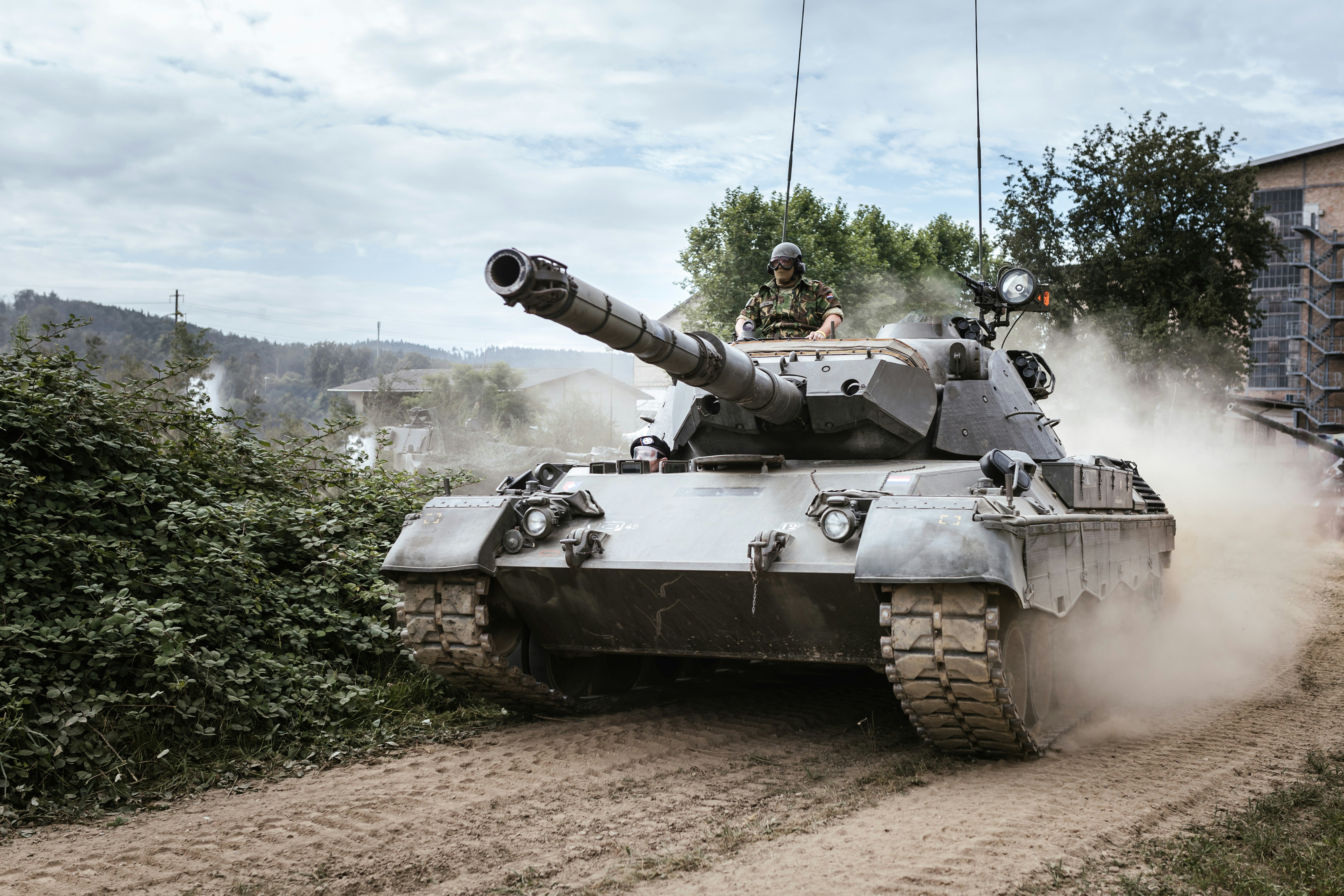
The bank is being established as governments across Europe and their allies increase defence spending following Russia's invasion of Ukraine and growing concerns about security and supply-chain resilience.
The DSRB would provide long-term financing to governments and defence companies, with particular attention to small and medium sized businesses that can face difficulties obtaining affordable financing.
Canada's government says the institution is intended to mobilise private capital, strengthen defence supply chains and help member countries expand their industrial capacity. It is expected to complement existing national and multilateral defence financing programmes rather than replace them. The bank could also provide guarantees to private lenders, allowing banks to finance projects that might otherwise be considered too risky.
Canada is currently the largest supporter of the initiative, but the absence of some of the world's largest European economies remains a major challenge.
Germany, Britain and other G7 countries have so far declined to join, although discussions remain ongoing with some potential participants. Reuters reported that the lack of large sovereign backers has raised questions about the DSRB's ability to obtain the triple-A credit rating it wants.
The bank's founders are seeking a triple A rating because it would allow the institution to borrow at relatively low rates and subsequently provide cheaper financing to its members and defence companies.
William Perraudin, managing director at Risk Control, told Reuters that attracting several additional substantial governments would help the institution make a stronger case to ratings agencies.
A high credit rating would allow the bank to access international capital markets at lower borrowing costs. Those savings could then be passed on through lower-cost loans and guarantees for defence projects.
Elisabeth Rudman, head of financial institution ratings at Morningstar DBRS, told Reuters that the creditworthiness of multilateral institutions is principally driven by the support of their core shareholders.
The DSRB's lead negotiator, Isabelle Hudon, has expressed confidence that the institution can achieve a triple-A rating. Canada has also indicated that it is prepared to proceed with the countries that have already committed, while allowing additional members to join later.
Reuters reported that potential members have raised concerns about overlap with programmes such as the European Union's €150 billion SAFE defence financing programme and Britain's proposed Multilateral Defence Mechanism. The amount of capital governments would need to contribute and questions about how projects would be selected have also complicated discussions.
The DSRB's founders argue that the institution would provide a more permanent financing platform and could work alongside existing procurement mechanisms.
The proposed institution has attracted support from major financial institutions. Reuters reported that around a dozen banks, including JPMorgan and Deutsche Bank, have provided approximately $10 million in funding or services in kind to help establish the DSRB.
For Canada and its partners, the DSRB represents an attempt to create a new source of capital for defence production at a time when governments are under pressure to increase military spending while also managing constrained public finances.
If successful, the bank could become an important source of financing for defence manufacturers, technology companies and supply-chain businesses across participating countries. However, its ultimate influence will depend heavily on the number and financial strength of its members, its governance structure and its ability to secure low-cost funding.





Comments (0)
You must be logged in to post comments.
No comments yet. Be the first to start the conversation!