

Anthropic has set its historic IPO price band between $70 and $78 per share, targeting a $1 trillion baseline. Discover the massive hidden power leases and structural revenue metrics Wall Street is quietly tracking.
The artificial intelligence sector is staring directly at its ultimate public market litmus test. In a highly anticipated regulatory filing, San Francisco based frontier intelligence lab Anthropic officially announced a target price band of $70 to $78 per share for its upcoming Nasdaq listing. When adding the cornerstone private placements, the total capital haul scales up to an unprecedented $90.4 billion positioning it to overshadow SpaceX’s record-setting public debut.
Mainstream financial channels are framing this as a triumphant, hyper-growth milestone for the tech ecosystem.
However, looking beneath the surface of the headline numbers reveals that the pricing is actually an act of calculated defense. This analytical brief tears down the numbers to show why Anthropic adjusted its expectations, what is driving its massive operational costs, and the product rollouts it is using to justify its $1 trillion valuation fortress.
Traditional financial reporters focus on software code, but hedge fund desks focus on the electricity grid. Just days before filing its price range, secret hardware tracking data exposed that Anthropic agreed to a massive $3.4 billion infrastructure commitment covering 1.7 gigawatts of gas-fired power infrastructure and heavy-duty generators.
Because the public market has grown highly skeptical of AI firms spending billions on data centers without immediate proof of profitability, Anthropic had to adjust its target multiple down to a modest 16x to 19x run-rate. Investors are no longer valuing raw user numbers; they are strictly grading how efficiently a lab can manage its massive capital expenditures (CapEx) against decelerating growth curves.
To convince skeptical institutional asset managers that its technology can out-monetize OpenAI, Anthropic aggressively dropped its newest "frontier" models, Claude Fable 5.2 and Claude Mythos 5.2, directly into the market.
The media missed the financial strategy behind the tech release: Anthropic built these models to generate outputs 30% faster while costing 20% less to compute. By launching an enterprise application layer that handles complex software migrations, cybersecurity threat discovery, and biomedical coding, Anthropic is trying to show Wall Street it can transition from a speculative research project into an indispensable corporate software utility.
For market participants watching from the sidelines, the message written into the Anthropic S-1 is clear: the era of buying AI stock based on generic hype is officially dead.
By pricing its stock at a more conservative $1 trillion valuation baseline rather than forcing a speculative $2 trillion bubble, Anthropic is intentionally leaving room for public market execution risk. Its underlying business model is incredibly strong, backed by massive corporate adoption of tools like Claude Code.
However, its long-term equity stability will depend entirely on whether its newly verticalized software platforms can out-earn the massive, multi-billion-dollar cost of the physical data centers required to keep them running.
This article is for general information and education only. It is not financial, investment, tax or legal advice. Markets carry risk, so do your own research or speak to a licensed adviser before you invest.
Other News
Top Stories- 1 Anthropic’s $1.4 Trillion Nasdaq Test Arrives as Wall Street Splits on AI Spending
- 2 Seplat’s ₦1,358.34/$1 Dividend Fixing Sparks a ₦328 Billion NGX Rebound
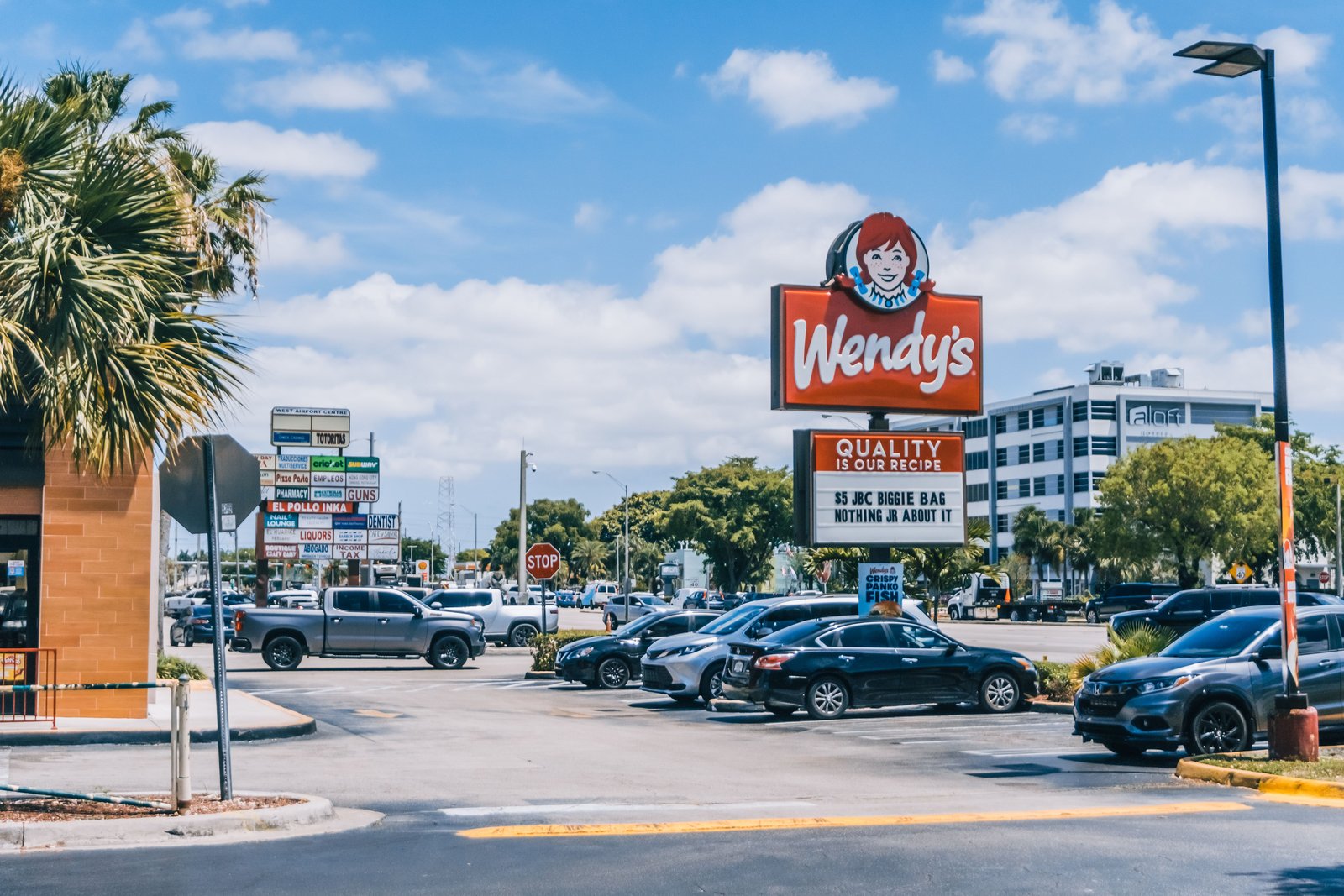
- 3 Why Wall Street Rewarded Wendy’s for Rejecting a $1.4B Buyout and Scaling Back Breakfast
- 4 How Microsoft’s 5-Hour Outage Disrupted OpenAI, Anthropic, and Corporate Earnings



Comments (0)
You must be logged in to post comments.
No comments yet. Be the first to start the conversation!